
Post-Physiotherapy Strength Training in Vancouver
You've completed physiotherapy and reduced your pain, but now you're facing the gap nobody warned you about, where most people lose the progress they worked so hard to gain. TSquared's specialized post-physio strength training is part of our Injury Rehab Vancouver services, using our joint-friendly Gravity Training System to bridge that gap and build you stronger than before your injury.
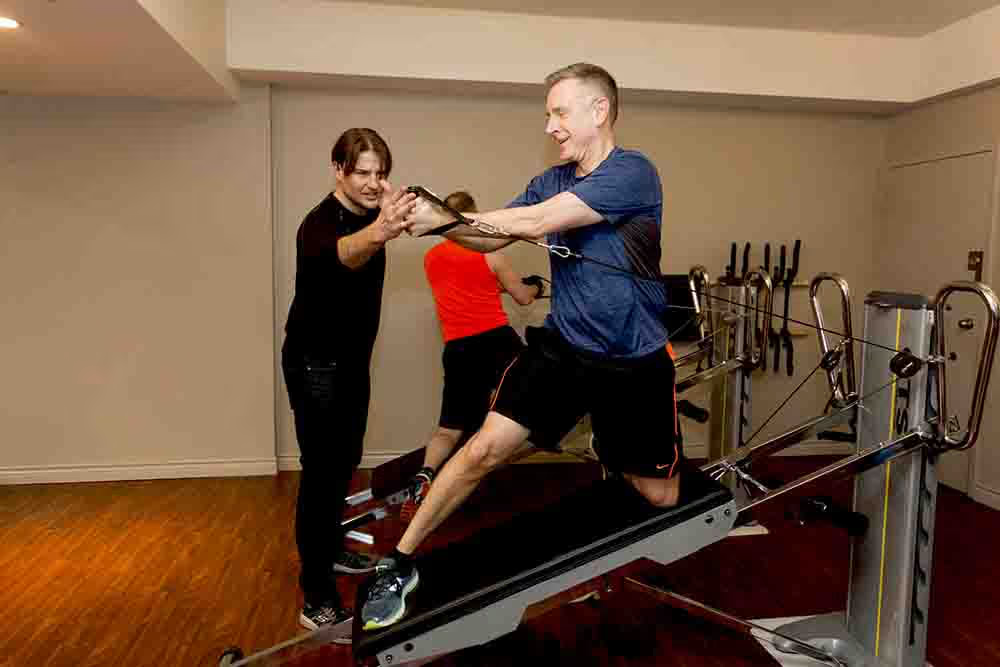
Real Results from Vancouver Adults 40+
Personal Training Reviews from Google | 97 Reviews 4.9 Avg Rating
Why Most People Struggle After Physiotherapy Completion
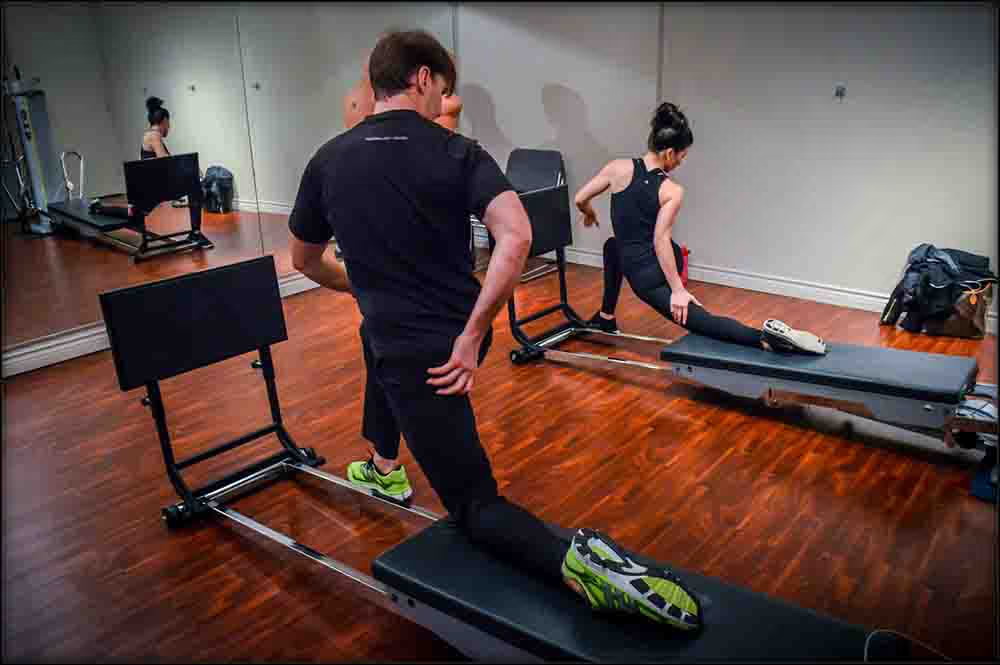
No Clear Path Forward
Physiotherapy typically ends once pain becomes manageable, not necessarily when you're back to full strength. You're handed a sheet of home exercises but no timeline for progression, no guidance on when to increase intensity, and no professional monitoring to ensure you're moving correctly as you rebuild.
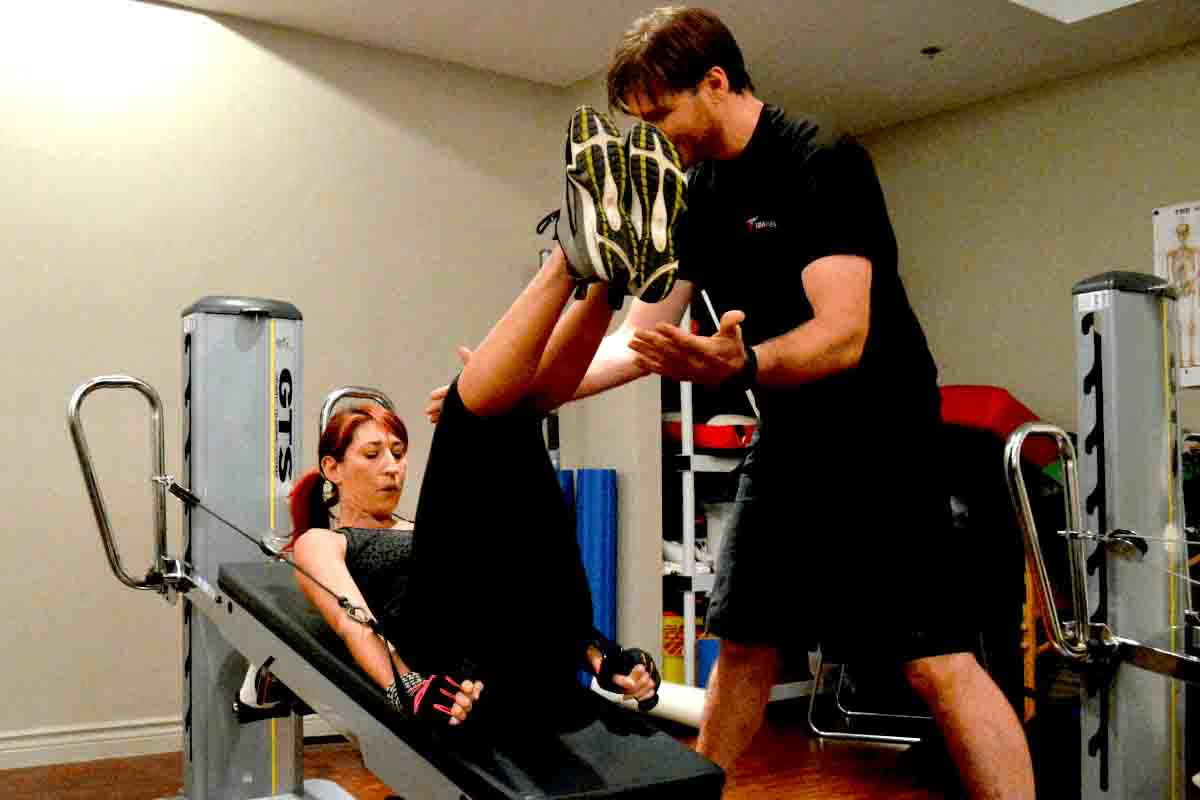
Fear Limits Your Progress
Research shows that post-injury anxiety affects up to 65% of people after completing physiotherapy. You second-guess every movement, avoid exercises that caused the original injury, and stay in a 'safe zone' that prevents actual strength gains. This fear becomes self-fulfilling, as weak muscles increase re-injury risk.
Generic Gyms Risk Re-Injury
Walking into a commercial gym after completing physiotherapy feels overwhelming and potentially dangerous. Group fitness classes move too fast to accommodate modifications. Personal trainers without injury-specific knowledge may push you into movements your body isn't ready for. The equipment, high-impact machines and free weights without guidance, poses risks your recovering body can't handle safely.
What Makes Post-Physiotherapy Training Different From Regular Exercise
Post-physiotherapy strength training isn't modified gym training - it's a structured bridge program that respects your recovery stage while systematically rebuilding strength and confidence. Traditional fitness focuses on what your body can do. Post-physio training focuses on what your body needs to do safely after injury.
This approach requires understanding movement patterns that compensate for injury, recognizing pain versus discomfort, knowing when tissue is ready for load progression, and designing exercises that strengthen weak areas without stressing healing structures. It's why physiotherapists often express frustration about the gap in patient care - they need trusted professionals who can continue the rehabilitation process beyond symptom management.
At TSquared, we work with your physiotherapy notes, respect your recovery timeline, and understand that your recent injury history isn’t a limitation — it’s essential information for building you back stronger than before the injury occurred. This process often includes corrective exercise for injury recovery to address compensation patterns, improve joint control, and restore proper movement before progressing strength. Clients looking for injury rehabilitation in downtown Vancouver can easily find our private training studio here.
How TSquared's Gravity Training System Supports Post-Physio Recovery
Our Gravity Training System uses specialized equipment not found in typical Vancouver gyms - adjustable incline boards that let you use your bodyweight at precise angles to control resistance. This isn't conventional strength training adapted for injury recovery. It's a system specifically designed for joint protection while building functional strength.
For someone recovering from knee surgery, standard squats create excessive joint compression. With Gravity Training, we adjust the incline to reduce load on healing tissues while still activating the muscles that atrophied during recovery. A post-shoulder injury client can't safely overhead press, but incline variations allow controlled upper body strengthening without impingement risk.
The system's progressive nature means Troy can make micro-adjustments during your session based on how your body responds. If a movement causes concern, the angle changes immediately. As strength returns, resistance increases gradually through incline modifications rather than adding weight that might stress healing structures.
This low-impact, high-control approach is particularly effective for adults over 40 whose recovery capacity differs from younger athletes. Your tissues heal differently, compensation patterns develop faster, and the consequences of pushing too hard too soon last longer. The Gravity Training System respects these realities while delivering measurable strength improvements.
Your Post-Physiotherapy Training Timeline at TSquared
Step 1: Assessment Session (First Week)
Troy reviews your physiotherapy notes, discusses your injury history and current limitations, tests basic movement patterns to identify compensation, establishes baseline strength and mobility measurements, and creates your personalized progression plan. This session typically lasts 60 minutes and helps Troy understand not just what you can do, but what your body has learned to avoid since your injury.
Step 2: Foundation Phase (Weeks 2-6)
Training twice weekly, focusing on restoring movement patterns your body forgot during injury, strengthening muscles that weakened during immobilization, building confidence in controlled environments before progressing intensity, and teaching you the difference between productive discomfort and concerning pain. Most clients describe this phase as 'relearning how to move correctly', addressing the compensations that developed during recovery.
Step 3: Strength Building Phase (Weeks 7-16)
Progressive resistance increases as tissue tolerance improves, exercises evolve from isolated movements to functional multi-joint patterns, training frequency may increase to 3 sessions weekly based on recovery response, and strength gains become measurable through increased incline angles and movement quality. This phase transforms managed pain into genuine capability.
Step 4: Performance & Prevention Phase (Week 17+)
You've exceeded pre-injury strength levels, developed injury prevention strategies through understanding your body's limitations, established sustainable training habits that maintain gains long-term, and built confidence to resume activities you thought were no longer possible. Many clients continue training at this stage not because they need to, but because they've experienced what it feels like to move without limitation.
Who Benefits Most From Post-Physiotherapy Strength Training
- You've completed physiotherapy for back pain, knee injury, shoulder surgery, or hip replacement but still experience lingering weakness or fear of re-injury
- Your physiotherapist completed your treatment and gave you home exercises but you're unsure how to progress safely without professional guidance
- You're over 40 and recovering from injury differently than you did in your 20s or 30s, requiring age-appropriate progression
- You've tried returning to a commercial gym but felt overwhelmed, intimidated, or concerned about doing the wrong movements
- You experienced strength loss during injury recovery and want to not just return to baseline but exceed your previous fitness level
- You're an active adult who can't afford another injury setback and needs professional monitoring during the critical post-physio period
- You want small group training (maximum 5 people) where the trainer knows your injury history and watches your form constantly
Why Troy Tyrell's Experience Matters for Post-Injury Training
Two Decades of Adult 40+ Injury Recovery Experience
Troy has spent over 20 years working exclusively with adults over 40 - the demographic most likely to experience injury and most vulnerable during recovery. He understands how aging affects healing timelines, which movement patterns reveal compensation, and when pushing harder accelerates progress versus causing setbacks. This isn't theoretical knowledge. It's pattern recognition from training hundreds of post-injury clients.
Collaborative Relationships With Vancouver Physiotherapy Clinics
Several downtown Vancouver physiotherapists refer their patients who've completed treatment to TSquared because they trust Troy's understanding of injury mechanics and conservative progression approach. This isn't accidental - it's earned through years of successfully bridging the rehab-to-strength gap without causing re-injury. Troy communicates with your physiotherapist when needed, respects their treatment recommendations, and understands his role as continuing the recovery process, not replacing medical treatment.
Proven Track Record With Complex Recovery Cases
TSquared's 4.9-star rating across 97 Google reviews includes numerous testimonials from clients who successfully transitioned from completing physiotherapy to pain-free strength. These aren't generic fitness transformations - they're specific accounts of recovering from rotator cuff surgery, rebuilding after spinal fusion, regaining strength post-hip replacement, and training through chronic conditions that traditional gyms couldn't accommodate.
Common Concerns About Training After Physiotherapy
How Soon After Completing Physiotherapy Can I Start Training
Most clients begin within 1-2 weeks of finishing physiotherapy. If your physiotherapist cleared you to resume strengthening activities, you're ready for post-physio training. Troy's initial assessment identifies any movements that need more recovery time and starts with what your body can handle safely today - not what it should theoretically be able to do.
What If My Pain Hasn't Completely Resolved
Lingering discomfort is normal after completing physiotherapy, as complete pain elimination isn't always the criteria for finishing treatment. The question is whether pain is manageable and non-progressive. Troy works with you to distinguish between productive muscle soreness from strength building and concerning pain that signals tissue stress. Many clients report that appropriate strength training actually reduces their lingering post-physio discomfort by supporting injured structures more effectively.
Will Training With an Injury History Cost More Than Regular Personal Training
No. TSquared's rates are the same whether you're recovering from injury or training for general fitness. The difference is Troy's approach and equipment, not the pricing. Your small group training session includes the same attention to form, progression monitoring, and personalized modifications regardless of your injury history.
Do I Need to Bring My Physiotherapy Treatment Notes
Helpful but not required. If you have treatment documentation, summaries, or home exercise programs from your physiotherapist, bring them to your assessment. This information helps Troy understand what your body has been through and what exercises you're already familiar with. If you don't have written notes, describing your injury, treatment, and current limitations during the assessment provides sufficient context.
What Happens If I Experience Pain During a Training Session
Troy immediately modifies the exercise or adjusts the Gravity Training incline to reduce stress on the affected area. With a maximum of 5 people per session, he monitors everyone constantly and catches compensations or discomfort signals before they become problems. You're also taught to communicate the difference between 'this muscle is working hard' discomfort and 'something isn't right' pain. The session adapts to your body's response in real-time.
How Long Until I Feel Stronger Than Before My Injury
Most clients report noticeable strength improvements within 6-8 weeks and exceed pre-injury capability by 4-6 months with consistent twice-weekly training. Timeline varies based on injury severity, how long you were immobilized, your age, and how quickly your body responds to progressive loading. Troy tracks specific metrics, incline angles you can handle, number of repetitions, and movement quality, so progress is measurable, not subjective.
Can I Train While Still Attending Physiotherapy Appointments
Yes, if your physiotherapist approves. Some clients begin post-physio training during the final weeks of physiotherapy as a transition strategy. Troy coordinates with your physiotherapist to ensure exercises complement your ongoing treatment rather than interfering with it. However, most clients start at TSquared after finishing physiotherapy when they're cleared for independent strengthening but unsure how to proceed safely.
How TSquared's Private Downtown Studio Reduces Recovery Anxiety
Recovering from injury in a loud, crowded commercial gym creates unnecessary stress. You're worried about being watched, concerned someone will bump into you, and anxious about using equipment incorrectly. These psychological barriers delay recovery as much as physical limitations.
TSquared's private studio inside The Sun Tower at 128 W Pender St #102 eliminates these concerns. There's no intimidating gym floor to navigate, no equipment you don't know how to use, and no pressure to keep up with athletic 25-year-olds. Maximum 5 people train simultaneously, all adults over 40 with similar concerns about moving safely and rebuilding strength without risking re-injury.
This environment matters more than most people realize. Studies show that recovery anxiety, fear of re-injury during exercise, is the primary reason people avoid strength training after completing physiotherapy. A private, supportive environment with professional monitoring directly addresses this barrier, allowing you to focus on rebuilding strength rather than managing social anxiety.
Downtown Vancouver Location - Convenient Access From Major Physiotherapy Clinics
Steps From Stadium-Chinatown SkyTrain Station
Troy has spent over 20 years working exclusively with adults over 40 - the demographic most likely to experience injury and most vulnerable during recovery. He understands how aging affects healing timelines, which movement patterns reveal compensation, and when pushing harder accelerates progress versus causing setbacks. This isn't theoretical knowledge. It's pattern recognition from training hundreds of post-injury clients.
10-Minute Walk From Yaletown Physiotherapy Clinics
Several downtown Vancouver physiotherapists refer their patients who've completed treatment to TSquared because they trust Troy's understanding of injury mechanics and conservative progression approach. This isn't accidental - it's earned through years of successfully bridging the rehab-to-strength gap without causing re-injury. Troy communicates with your physiotherapist when needed, respects their treatment recommendations, and understands his role as continuing the recovery process, not replacing medical treatment.
15-Minute Walk From Coal Harbour
TSquared's 4.9-star rating across 97 Google reviews includes numerous testimonials from clients who successfully transitioned from completing physiotherapy to pain-free strength. These aren't generic fitness transformations - they're specific accounts of recovering from rotator cuff surgery, rebuilding after spinal fusion, regaining strength post-hip replacement, and training through chronic conditions that traditional gyms couldn't accommodate.
Connected Via Multiple Transit Routes
The Stadium-Chinatown SkyTrain station connects to Expo and Millennium Lines, making TSquared accessible from Burnaby, New Westminster, Surrey, and Richmond. Bus routes along Georgia Street include the 19 from Stanley Park and West End, the 3 from Kitsilano and Commercial Drive, and the 8 connecting to Fraser Street. This transit accessibility matters when recovering from injury, as you don't need to drive or navigate difficult parking situations.
What to Expect During Your First Post-Physio Training Session
Step 1: Welcome and Injury History Discussion (10 minutes)
You'll arrive at The Sun Tower entrance at 128 W Pender St #102 and be directed to the private studio. Troy begins with a conversation about your injury, physiotherapy treatment, current symptoms, activities you avoid due to fear, and goals beyond just 'not being in pain anymore.' This isn't a medical exam - it's understanding your body's recent history and what concerns need addressing during training.
Step 2: Movement Assessment (15 minutes)
Troy guides you through basic movements to observe how your body compensates for the injury. These aren't painful tests - simple actions like squatting, reaching overhead, or balancing reveal patterns that physiotherapy may not have fully corrected. You'll notice Troy watching closely but not judging - he's identifying specific areas that need strengthening and movements requiring modification.
Step 3: Gravity Training System Introduction (10 minutes)
Troy demonstrates how the Gravity Training equipment works, shows you how incline adjustments control resistance, and explains why this system protects joints while building strength. You'll try a few basic movements at gentle angles to understand how bodyweight resistance feels different from traditional gym equipment. Most clients describe this as 'surprisingly challenging but completely safe.'
Step 4: First Strength Training Circuit (20 minutes)
Your first workout focuses on movements your body can handle confidently. Troy monitors form constantly, adjusts exercises if anything feels wrong, and teaches you to recognize the difference between muscle fatigue and concerning pain. The session feels manageable - Troy deliberately keeps intensity conservative on day one to establish baseline capability without overwhelming your recovering tissues.
Step 5: Recovery Discussion and Next Steps (5 minutes)
Troy explains what soreness to expect in the next 48 hours (muscle fatigue is normal, joint pain is not), when to schedule your next session (typically 2-3 days later for recovery), and what progression looks like over the coming weeks. You'll leave with clear expectations and confidence that someone understands both your injury limitations and your potential for full recovery.
Real Results From TSquared Clients Recovering After Physiotherapy
TSquared maintains a 4.9-star rating across 97 Google reviews, with clients consistently praising Troy's expertise in movement correction and the effectiveness of the Gravity Training System for injury recovery.
After Rotator Cuff Repair - 4 Months Post-Surgery
I finished physiotherapy three months after rotator cuff surgery but still couldn't lift my arm overhead without fear. My physiotherapist cleared me but said I needed to continue strengthening on my own - I had no idea how to do that safely. Troy started with incline angles that didn't stress my shoulder but activated the muscles that had atrophied. Within 6 weeks I could reach overhead without hesitation. After 4 months at TSquared, I'm stronger than before the injury and can do things I avoided even before surgery.
Chronic Low Back Pain - 8 Months Post-Physiotherapy
I completed physiotherapy for chronic back pain that kept flaring up. The exercises helped but I was terrified of making it worse by doing the wrong movements. Commercial gyms felt dangerous - too many ways to hurt myself. Troy's small group approach meant he watched my form constantly and caught compensations before I felt them. The Gravity Training system let me build core strength without the spine compression traditional weights cause. I've been training twice weekly for 8 months and my back pain is gone. More importantly, I'm not afraid to move anymore.
Post-Knee Replacement - 6 Months Since Surgery
After knee replacement at 58, physiotherapy got me walking normally again but I felt weak and unstable. My surgeon said to 'keep moving' but didn't specify how. I tried a seniors fitness class at my local community center but it moved too fast and didn't account for my knee limitations. At TSquared, Troy understood exactly what my replacement could and couldn't handle. The Gravity Training angles let me rebuild leg strength without stressing the joint. Six months later I'm hiking trails I gave up years before the replacement. The surgery fixed my knee but Troy made me strong enough to actually use it.
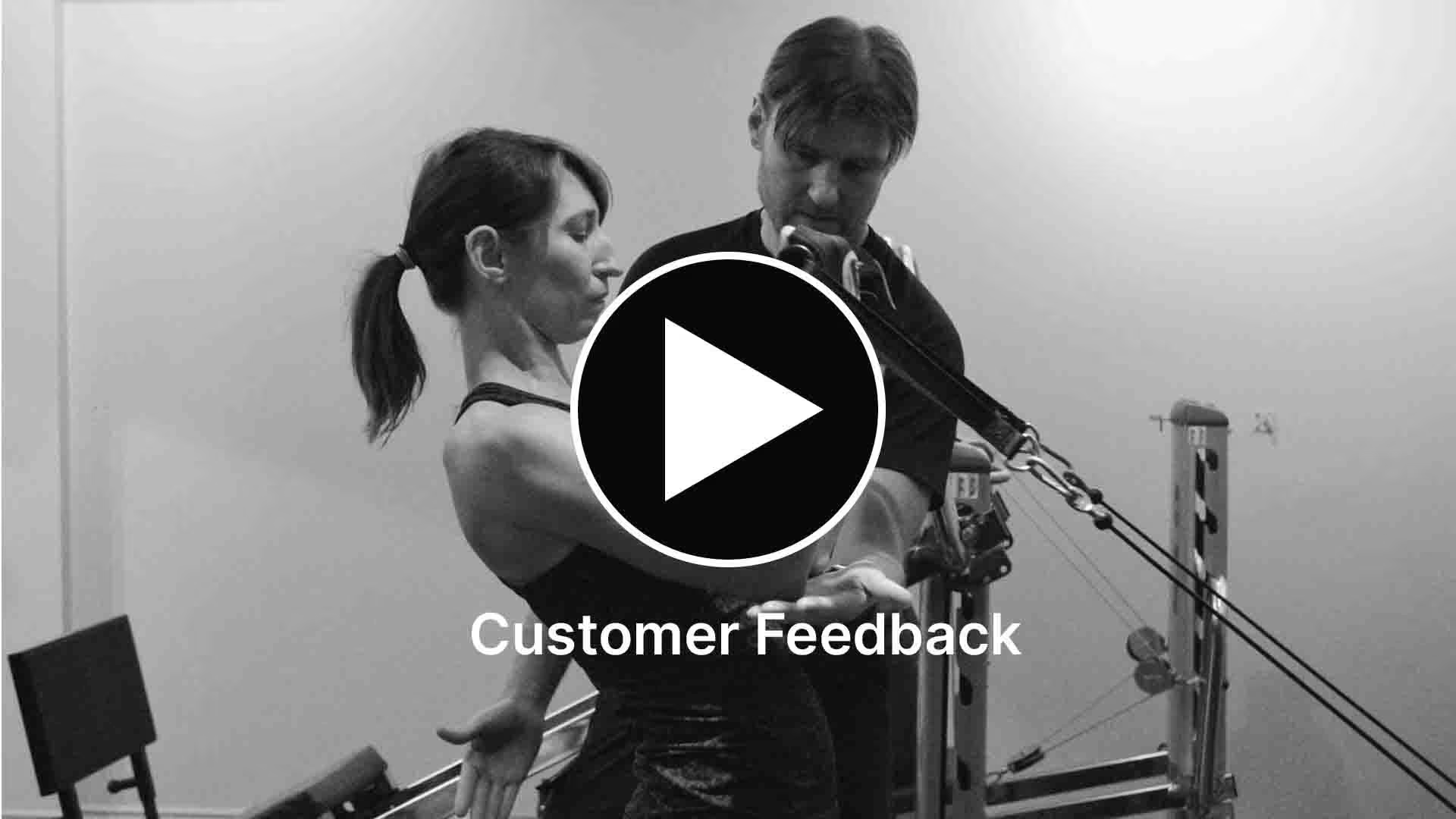
Investment in Post-Physiotherapy Strength Training
Small Group Training Sessions
Maximum 5 people per session ensures Troy monitors your form constantly throughout training. Most post-physio clients train twice weekly for optimal recovery and strength building. Sessions include personalized exercise modifications based on your injury history, progressive resistance adjustments using the Gravity Training System, and ongoing communication about pain versus productive discomfort. Pricing details and package options provided during your free assessment session.
1-on-1 Personal Training
Full hour of dedicated attention for complex recovery situations or clients who prefer complete privacy during their post-injury training. Troy designs completely customized progression timelines, addresses multiple injury sites simultaneously, and provides detailed feedback on movement patterns. Recommended for severe injuries, recent surgical procedures requiring conservative progression, or clients with multiple concurrent health considerations affecting training approach.
How to Start Post-Physiotherapy Training at TSquared
Book Your Free Assessment Session
Schedule a complimentary 60-minute session where Troy evaluates your post-physio readiness, demonstrates the Gravity Training System, and answers questions about your specific injury recovery. No obligation, no pressure - just clear information about whether TSquared's approach fits your needs. Call (604) 250-9784
or text for fastest response.
Bring Your Physiotherapy Information
If you have treatment notes, home exercise programs, or summaries from your physiotherapist, bring them to the assessment. This helps Troy understand your injury history and current capabilities. If you don't have written documentation, verbal description during assessment provides sufficient context.
Experience Professional Post-Injury Training
After your assessment, you'll understand exactly how TSquared bridges the gap between finishing physiotherapy and full strength recovery. Most clients schedule their first regular training session within days of the assessment, ready to begin rebuilding strength with professional guidance and injury-appropriate equipment.
TSquared Vancouver Personal Training Location
TSquared Personal Training
128 W Pender St #102 Vancouver, BC V6B 1R8
Phone: (604) 250-9784
128 W Pender St #102 (Inside The Sun Tower)
Downtown Vancouver, BC
Private studio entrance inside hotel, not hotel lobby
Transit Access:
- Steps from Stadium-Chinatown SkyTrain station (Expo & Millennium Lines)
- Multiple bus routes along Georgia Street (19, 3, 8)
- 10-minute walk from Yaletown, 15 minutes from Coal Harbour
Parking:
Multiple paid parking lots within 2-block radius