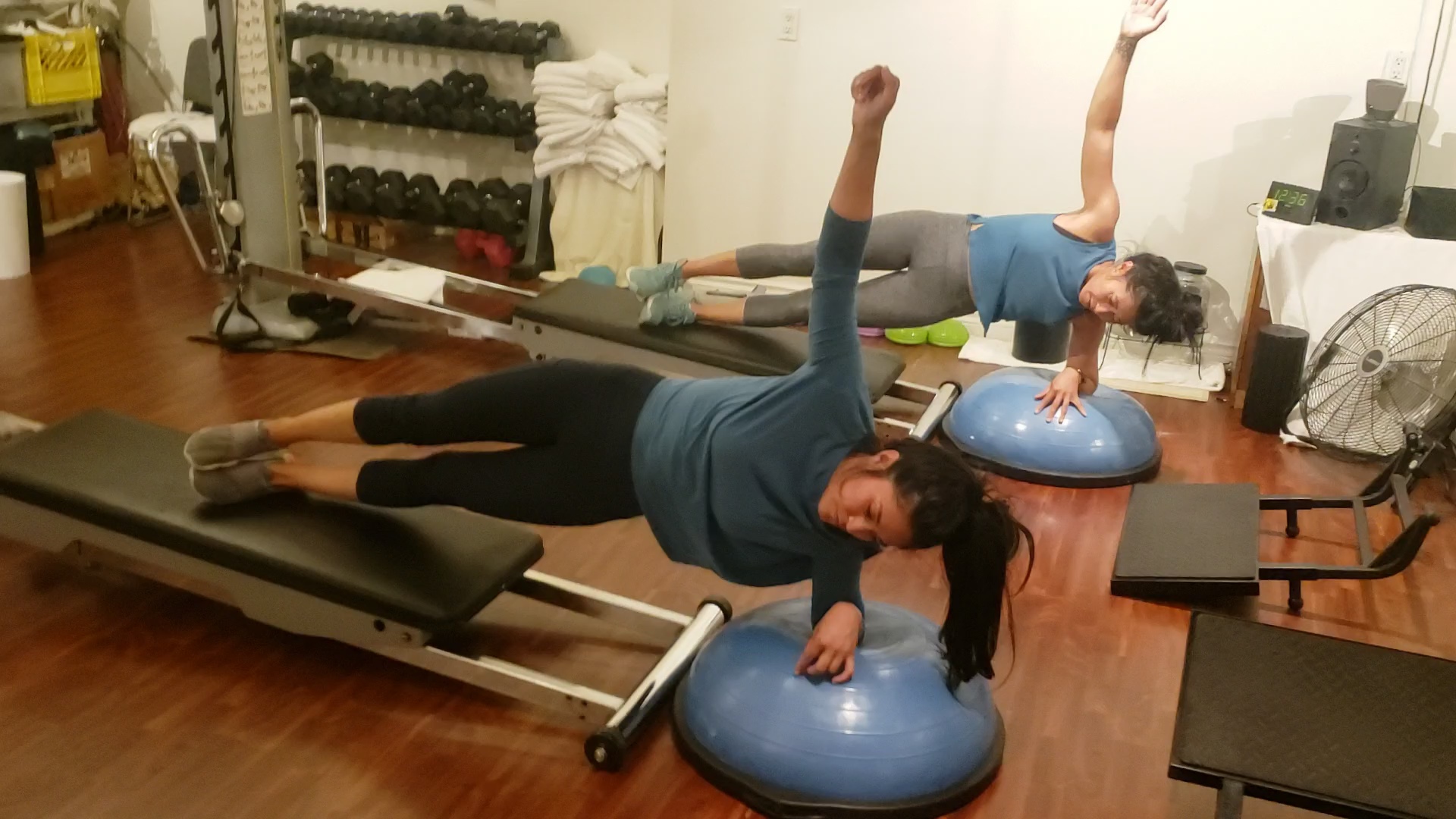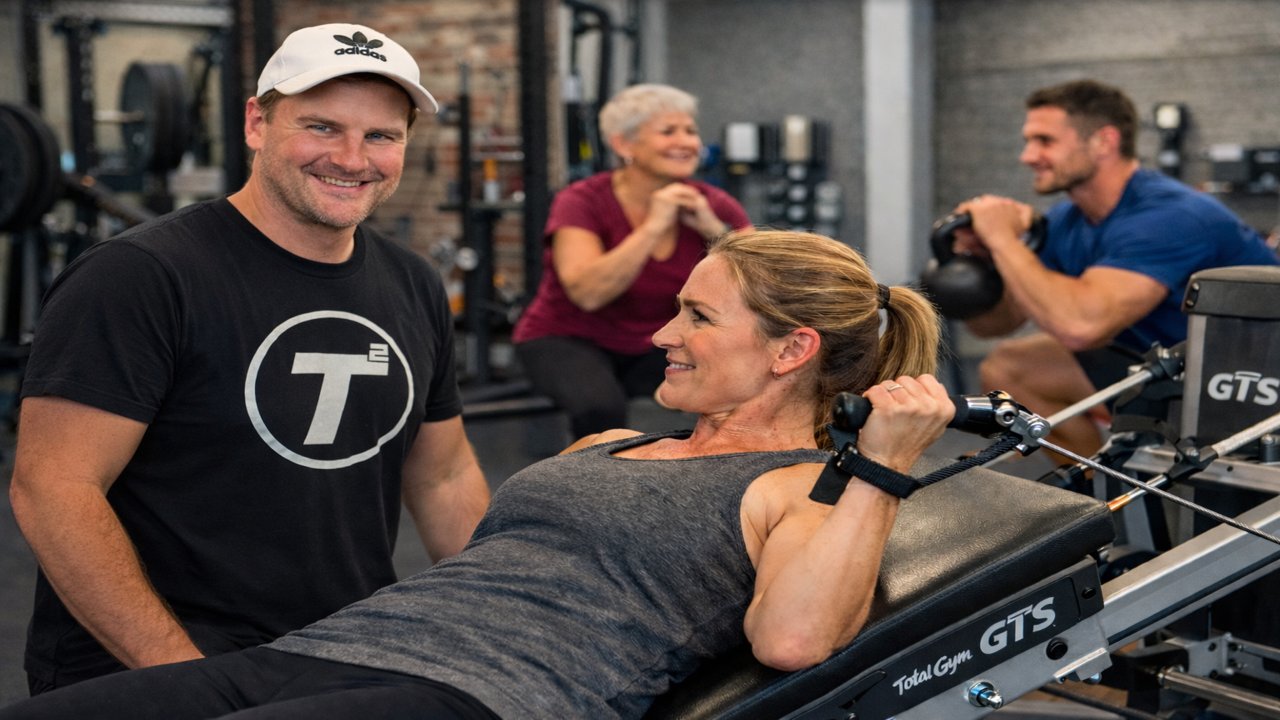

Gravity training works because it removes confusion from strength training and replaces it with clarity.
Most people do not fail at fitness because they lack effort. They fail because their training systems rely on novelty, inconsistent resistance, or overly complex setups that do not match how the human body actually adapts to load.
At Tsquared Personal Training, strength is built using a gravity training system designed to produce real world strength without unnecessary joint stress.
What Is Gravity Training?
Gravity training uses your own bodyweight as resistance, adjusted through body position and incline rather than plates, stacks, or springs.
As the incline increases, the percentage of bodyweight being moved increases. As control improves, the challenge increases.
Because gravity never changes, resistance stays consistent throughout the entire movement. This constant load is what allows the nervous system, muscles, and joints to adapt together.
Why Constant Load Builds Better Strength
Strength is not built by fatigue alone. It is built when the body repeatedly produces force against a predictable load.
Gravity training uses constant load strength training, which means:
- Resistance does not spike unexpectedly
- Muscles learn to apply force smoothly
- Joints experience steady, controlled stress
If an exercise becomes easier over time, you are stronger. There is no guessing.
This is why why gravity training works is rooted in clarity, not complexity.
Gravity Training vs Spring Based Systems
Spring based systems like Reformer and Megaformer rely on variable tension. Resistance changes throughout the movement depending on spring length and position.
This creates burn quickly, but it also makes real strength gains harder to measure.
Gravity training relies on force, not tension.
- Resistance remains consistent
- Movement patterns stay natural
- Progress can be tracked objectively
For a detailed breakdown, read
👉 Total Gym compared to Megaformer and Reformer
Why Gravity Training Is Joint Friendly
Joint pain often comes from unpredictable loading and poor movement paths under fatigue.
Gravity training reduces these issues by:
- Eliminating sudden resistance changes
- Allowing natural movement arcs
- Reducing peak joint compression
This makes gravity training ideal for joint friendly strength training that still produces measurable strength gains.
Why Gravity Training Works Especially Well Over 40
After 40, recovery slows and joint tolerance becomes more sensitive to poor programming.
Gravity training allows resistance to scale naturally without ego lifting, making it ideal for strength training over 40.
Clients gain confidence as their strength improves, which increases consistency and long term results.
How Gravity Training Is Used at Tsquared Personal Training
At Tsquared Personal Training, gravity training is coached intentionally.
It is combined with:
- Free weights when appropriate
- Multi-plane movement patterns
- Balance and stability training
- Injury-aware progression
If you are looking for
👉 personal training in Downtown Vancouver
gravity training offers strength without unnecessary complexity.
Why Gravity Training Builds Strength That Lasts
Burn fades. Trends fade. Strength remains.
Gravity training works because it respects how the human body adapts to load. That is why it is the foundation of training at Tsquared Personal Training.