
Best Personal Trainer in Vancouver: How to Choose
Not all personal training in Vancouver looks the same. This guide breaks down what actually matters, certifications, class size, specialization, and pricing transparency, so you can choose the right trainer for your goals, whether that's us or someone else.
What Vancouver Clients Say Before They Decide
Personal Training Reviews from Google | 97 Reviews 4.9 Avg Rating
What to Look For in a Vancouver Personal Trainer
Vancouver has no shortage of personal trainers, from big-box gym staff to boutique studio owners. The quality gap between them is real, and it's not always visible from a website or an Instagram page. A few things separate a trainer who gets you real, lasting results from one who just runs you through a generic workout.
The honest answer is that "best" depends on your goals, your body, and what you need from a trainer. A 25-year-old training for a marathon and a 55-year-old rebuilding strength after a knee injury need very different things. What follows is what we'd tell a friend to look for, regardless of which studio they end up choosing.
Four things matter most: the trainer's actual certifications and experience, how much individual attention you get during a session, whether the trainer specializes in something relevant to you, and whether pricing is transparent before you commit to anything.

Certifications & Experience
Credentials alone don't make a great trainer, but they're a reasonable filter, and experience with people like you matters more than the certification's name.
Recognized Certification
Look for a nationally recognized certifying body (NCCP, CanFitPro, NASM, ACE, or similar), not a weekend course. Ask which one your trainer holds and how long they've been certified. See Troy's background and certifications as an example of what this should look like.
Years Actually Training Clients
A certification shows someone passed a test. Years of hands-on coaching shows they can actually apply it, adjusting programs on the fly and catching small form issues before they become injuries. This matters even more if you're managing
an old injury or chronic condition
Experience With Your Situation
A trainer who mostly coaches 20-something athletes may not be the right fit if you're 45 and managing a shoulder injury. Ask directly whether they have experience with clients in your age range or situation.
Continuing Education
Ask if they keep their certification current and study new research. Movement science changes; a trainer who stopped learning after their first certification is coaching from an outdated playbook.
Class Size & Attention
This is the single biggest hidden variable in personal training, and it's the one most studios don't advertise clearly. "Personal training" and "group fitness class" get used loosely, and the difference in attention you actually get can be enormous.
One-on-One
True one-on-one means one trainer, one client, for the full session. You get constant form correction and a program built entirely around you.
Small Group
Ask how many people are in a "small group" session. Some Vancouver studios cap this at 4-6, which still allows real coaching. Others run 15-20 people through the same class, which is closer to a group fitness class than personal training, whatever it's called on the price sheet.
What to Ask
Ask directly: "What's the maximum number of people in this session, and will the trainer actually watch my form?" A studio that hesitates to answer clearly is telling you something.
Questions to Ask Before Booking
What certification do you hold, and how long have you been coaching?
A direct, specific answer is a good sign. Vague answers about "years of experience" without naming a certification are worth a follow-up question.
How many people are in a typical session, and will you personally watch my form?
This is the class-size question from above, worth asking again in plain language.
Have you worked with clients in my age range or with my specific goals or injuries?
Ask for a specific example, not just a general "yes, all the time."
What does a typical program look like for someone like me?
A trainer who can describe your likely program in specific terms, not just "we'll customize it", has actually thought about your case.
What's your pricing, and am I locked into a long-term contract?
You should get a clear, direct answer, not a redirect to "let's talk about that when you come in."
Is the free session real training, or a sales pitch?
Many studios offer a "free session" that's really a sales consultation. This question alone filters out a lot of studios quickly.
Specialization (Why It Matters for Adults 40+)
A trainer who specializes in your situation, not just fitness in general, will build a fundamentally better program for you. Here's why that matters more as you get older.
Generalist vs. Specialist: A trainer who works with everyone from teenagers to seniors to competitive athletes may be a fine generalist, but adults 40+ often have different needs: joint health, bone density, hormonal changes, and old injuries that a much younger client simply doesn't bring into the room.
Joint-Friendly Programming: Ask whether the trainer modifies loading and movement patterns for joint health, or whether every client gets the same high-impact program regardless of age or injury history.
Injury and Rehab Awareness: Even if you're not currently injured, a trainer who understands corrective exercise and common injury patterns in adults 40+ will build a program that keeps you training for years, not just months.
Realistic Goal-Setting: A specialist trainer sets goals that make sense for where your body is now, not generic "before and after" transformation targets borrowed from a much younger client's program.
Progression Without the Ego: Building strength safely after 40 means progressing load gradually and consistently, not chasing a personal record that risks an injury and weeks off training.
Built for the Long Game: The goal of specialized programming isn't a 12-week transformation. It's strength, mobility, and confidence you can keep for decades.
Pricing Transparency
Real Numbers, Not "Contact Us"
A studio that won't publish any pricing information and insists you book a sales call to find out is optimizing for a sales pitch, not your decision-making. At minimum, you should be able to find a general price range before you ever set foot in the studio.
See our full pricing guide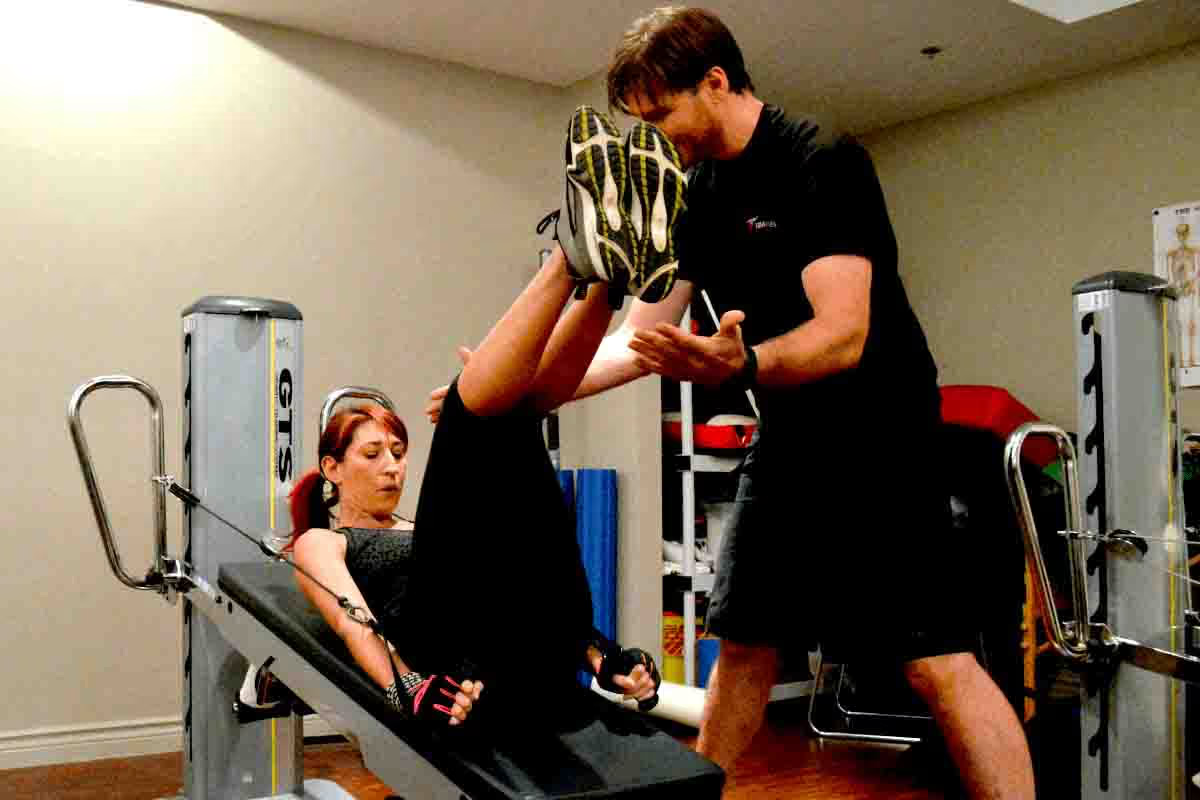
No Long-Term Contract Pressure
Watch for high-pressure annual contracts sold before you've even tried a session. A studio confident in its results doesn't need to lock you in for a year to keep you as a client.
A Real Free Session, Not a Sales Pitch
Many studios offer a "free session" that's really a sales consultation. Ask directly whether the free session includes actual training, or just a tour and a pitch.
Where TSquared Fits In
We built this guide to be genuinely useful whether or not you train with us. If it helps you choose a different studio that's actually the right fit, that's a better outcome than a mismatched client either way. Here's where we think TSquared stands out, and where you should judge for yourself.
40+ Specialization
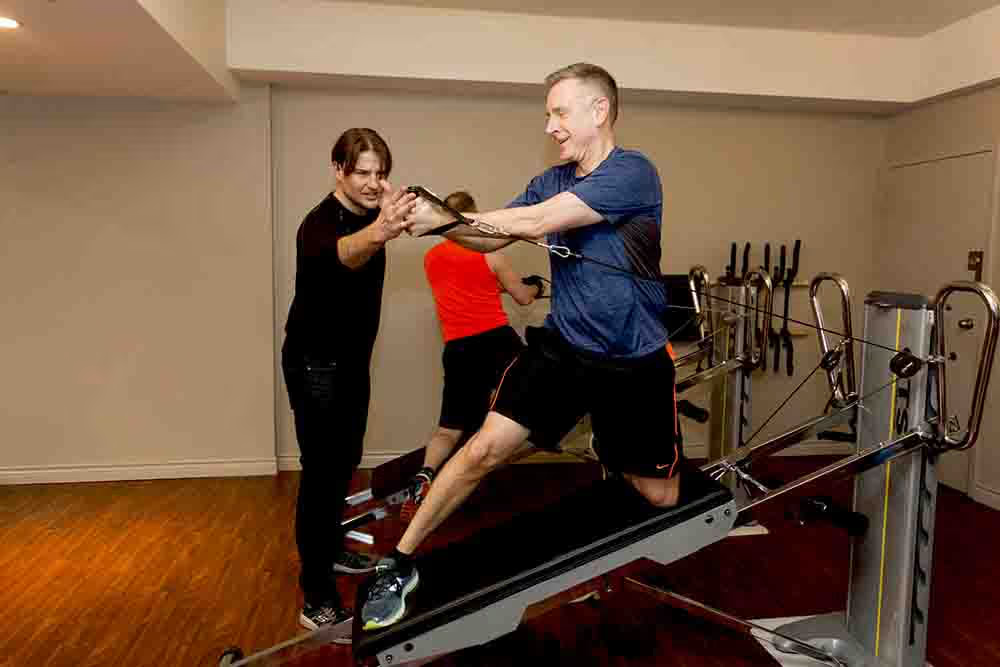
TSquared is built specifically around adults 40 and older. Every program uses our joint-friendly Gravity Training System, and programming accounts for the realities of training an older body without dumbing anything down. This isn't a general studio that also happens to accept older clients, including our dedicated strength training for adults over 40 track.
Small Class Sizes, Always
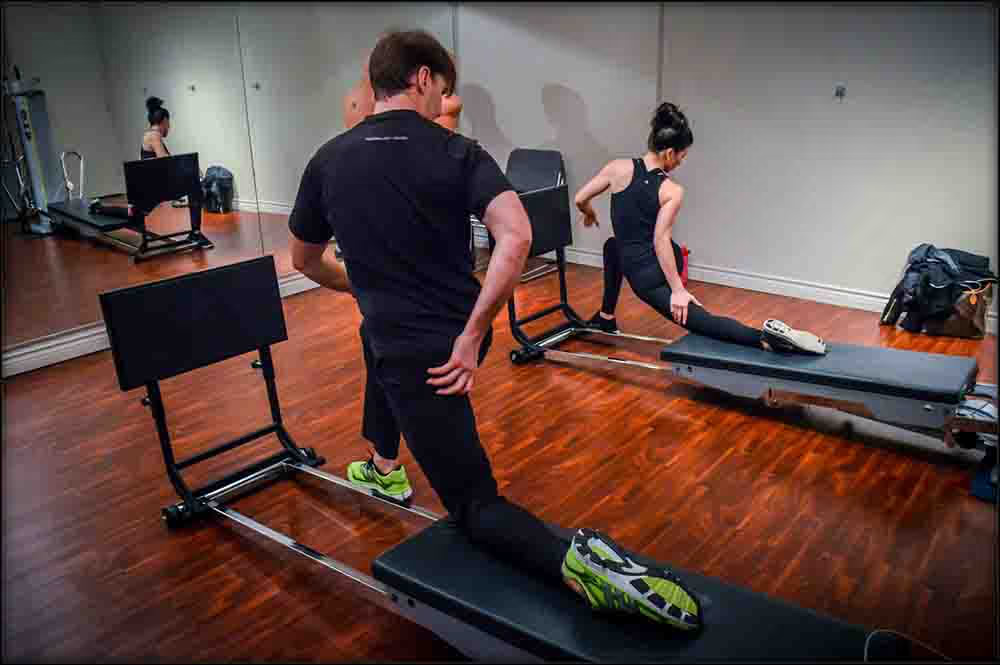
Every small group and semi-private session at TSquared is capped at 5 people maximum. There's no 15-person "small group" class here, group sizes stay small enough that real coaching is still possible.
Single-Owner Accountability
Troy Tyrell has run TSquared for over 20 years and is the trainer who actually coaches your sessions, not a rotating cast of staff trainers. When you book with TSquared, you know exactly who you're training with and who's accountable for your results.
Frequently Asked Questions
How Much Does a Personal Trainer Cost in Vancouver?
Rates vary widely, typically $40 to $120+ per session depending on the studio and whether you train one-on-one or in a small group. See the Pricing Transparency section above for exact ranges.
What Certifications Should a Vancouver Personal Trainer Have?
Look for a recognized certifying body such as NCCP, CanFitPro, NASM, or ACE, and ask how long they've held it. Certification alone isn't everything, but it's a reasonable baseline filter.
How Do I Know if a Trainer Is a Good Fit for Me?
Book a trial or introductory session and pay attention to whether the trainer asks about your goals, injury history, and experience level before building a program, rather than just running you through a generic workout.
Is In-Person Training Better Than Online Personal Training?
For hands-on form correction, especially if you're managing an injury or new to strength training, in-person training lets a trainer catch and correct mistakes in real time that online coaching can miss.
Do Personal Trainers Require Long-Term Contracts?
It varies by studio, so ask directly before booking. At TSquared, packages are prepaid session bundles, not recurring memberships or annual contracts.
Visit Our Downtown Vancouver Studio
TSquared Personal Training
128 W Pender St #102 Vancouver, BC V6B 1R8
Phone: (604) 250-9784
TSquared Vancouver Personal Training is conveniently located at 128 W Pender St #102 in downtown Vancouver. Our studio is easily accessible from Coal Harbour, Gastown, Yaletown, and the West End, with nearby parking available.
Still Deciding?
Book a no-pressure free session at our downtown Vancouver studio. Meet Troy, see the space, and get real answers to the questions above, no sales pitch required.