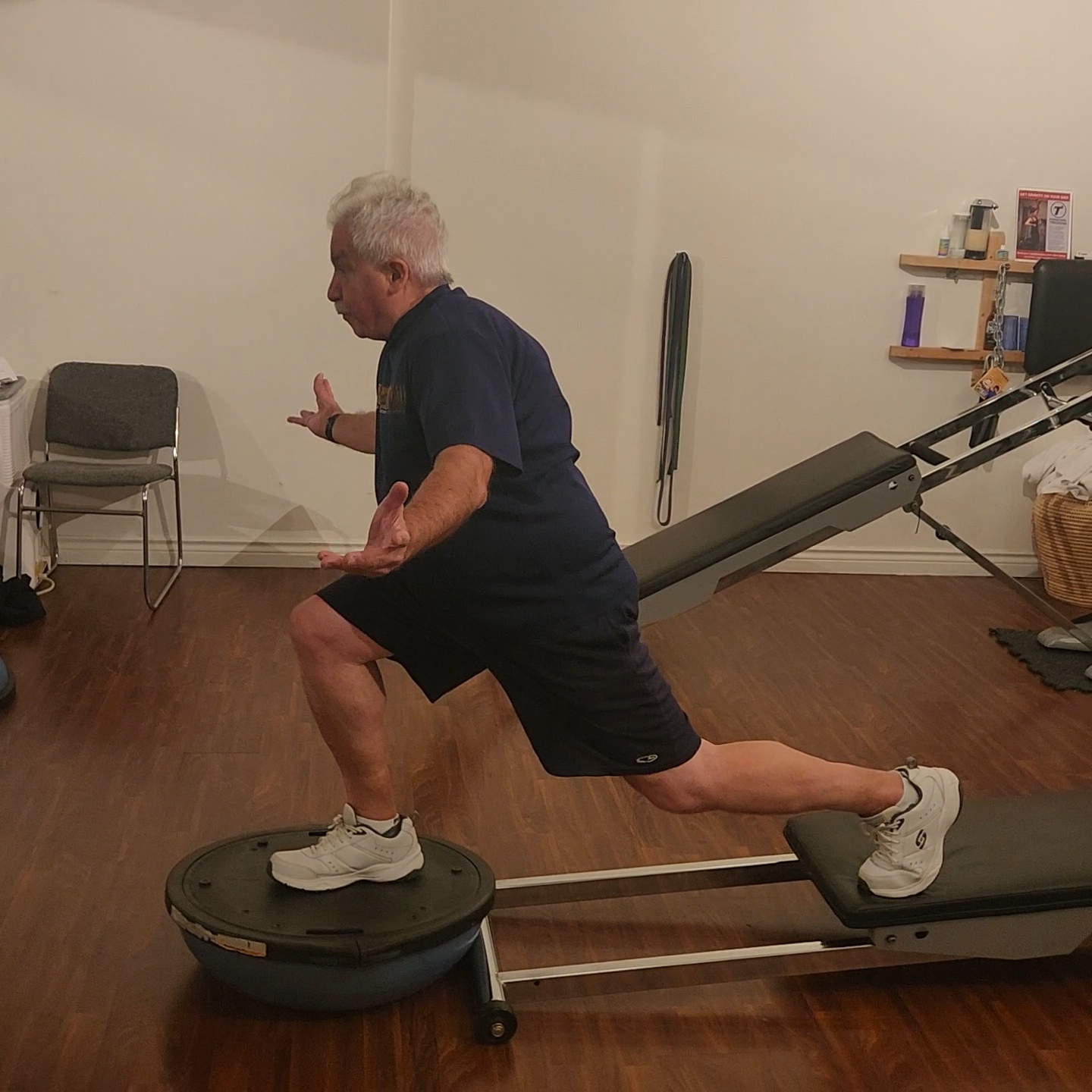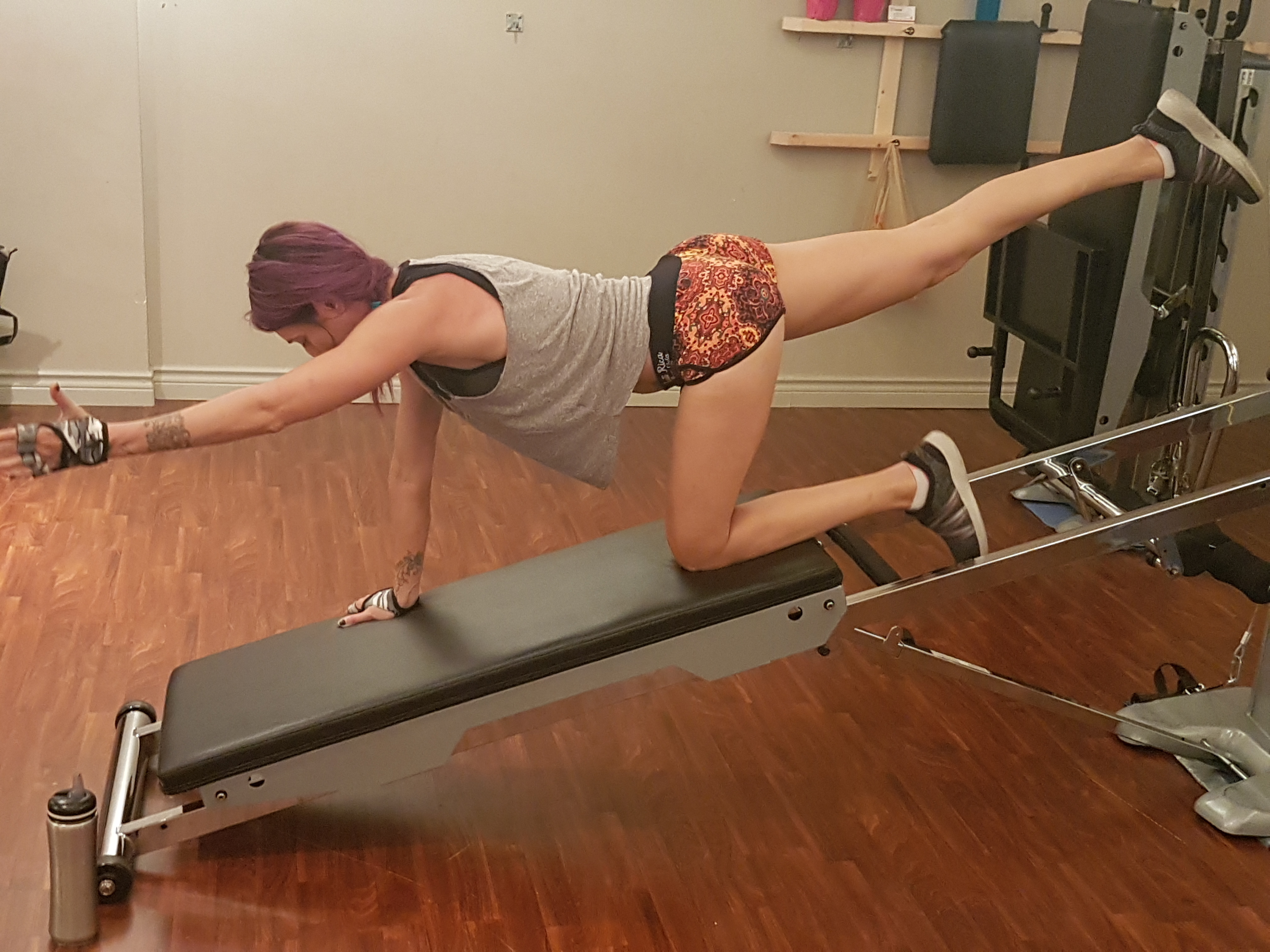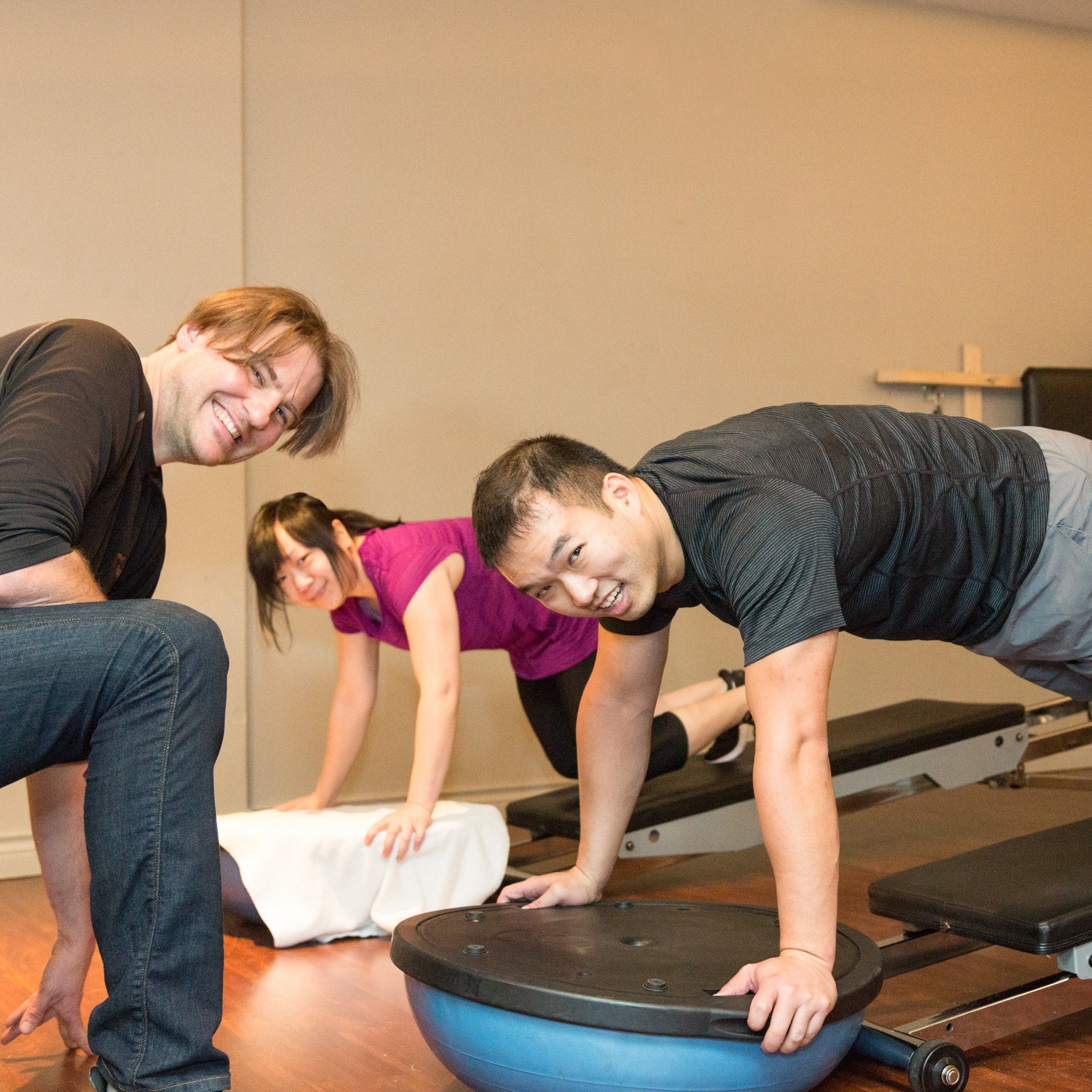

Finding the right balance between cardio and strength training can make a huge difference in your fitness journey. Each type of exercise offers unique benefits and, when combined properly, creates a more complete approach to health, performance, and long-term results.
Cardio training helps improve heart health, increases endurance, and burns calories efficiently. Strength training builds muscle, supports joint health, improves posture, and increases metabolism. Together, they create a balanced routine that helps you feel stronger, move better, and perform better both inside and outside the gym.
Understanding the Benefits of Cardio and Strength Training
Cardio Training Benefits
Cardio exercises such as walking, cycling, rowing, swimming, and interval training help:
- Improve cardiovascular health
- Increase stamina and endurance
- Boost energy levels throughout the day
- Support weight management
- Lower blood pressure and reduce health risks
Consistent cardio work trains your body to use oxygen more efficiently, helping everyday activities feel easier and improving overall performance.
Strength Training Benefits
Strength training focuses on building and maintaining muscle through resistance exercises using body weight, cables, machines, or free weights.
Benefits include:
- Increased muscle mass and strength
- Improved metabolism
- Better posture and movement quality
- Increased bone density
- Greater balance and joint stability
Since muscle burns more energy than fat at rest, building strength also supports long-term body composition goals.
Combining both styles of training creates a stronger, more resilient body that performs better in daily life.
Determine Your Fitness Goal First
Before building your workout schedule, decide what outcome you want.
Weight Loss
If fat loss is your goal, combining cardio and strength training tends to work best.
- Cardio helps increase calorie expenditure
- Strength training helps maintain and build lean muscle
This combination often creates a leaner, stronger appearance instead of simply reducing scale weight.
Build Muscle
If your goal is muscle gain:
- Prioritize strength sessions
- Progress resistance over time
- Allow recovery between workouts
Cardio should still remain part of the plan but in moderation to support recovery and cardiovascular health.
Improve Endurance
For endurance goals:
- Increase cardio frequency gradually
- Include steady-state and interval sessions
- Add strength training to improve movement efficiency and reduce injury risk
General Health and Longevity
If your goal is simply to feel better and stay active:
- Balance both training styles weekly
- Keep workouts enjoyable and sustainable
Creating a Balanced Workout Schedule
One of the most effective approaches is scheduling your week intentionally.
Example Balanced Week
Monday: Full-body strength training
Tuesday: Cardio and mobility
Wednesday: Strength training
Thursday: Recovery or light cardio
Friday: Strength training
Saturday: Outdoor activity or interval training
Sunday: Rest and recovery
This schedule allows enough recovery while continuing to build strength and cardiovascular fitness.
Recovery matters just as much as training. Rest days allow muscles to rebuild and adapt, helping reduce fatigue and lowering injury risk.
Adapt Your Routine for Continuous Improvement
Your training should evolve as your fitness improves.
Ways to continue progressing:
- Increase resistance gradually
- Adjust cardio intensity or duration
- Try new movement patterns
- Rotate exercises every few weeks
- Track performance milestones
Small changes keep training challenging and help avoid plateaus.
For example:
- Swap running for cycling or rowing
- Progress from bodyweight movements to resistance-based exercises
- Experiment with interval training or circuit formats
Progress doesn't always mean doing more. Sometimes it means moving better.
Train Smarter, Not Just Harder
The best fitness programs combine structure, recovery, and progression. Cardio and strength training are not competing methods. They work together.
If you're looking for a more guided approach and want help building a plan that fits your schedule and goals, working with a personal trainer in Vancouver can make the process simpler and more effective.
At T-Squared Vancouver Personal Training, we focus on building strength, improving movement quality, increasing mobility, and creating programs that fit real life, whether you're training for performance, health, or simply feeling better every day.
Contact us to build a custom plan and keep moving toward your strongest version of yourself.