Clients often laugh when I say gravity training is like Pilates on steroids. After their first session, they usually understand exactly what I mean.
I have spent more than 20 years helping people move better, get stronger and train smarter at TSquared Personal Training in downtown Vancouver. One thing I see over and over: people confuse flexibility with mobility, and they treat core training as a few crunches at the end of a workout.
You can touch your toes and still move like a rusty shopping cart.
Flexibility Is Not the Same as Mobility
Flexibility is your ability to stretch a muscle. Mobility is your ability to control movement through a joint's full range of motion. You need both, but mobility is what shows up in real life: getting off the floor, reaching overhead, swinging a golf club, or riding a mountain bike trail without your lower back complaining.
Mobility work is not five minutes of reaching for your toes and hoping for the best. It combines strength, control and flexibility so your body can actually use the range it has.
When mobility improves, clients usually notice:
- Better posture
- More range of motion they can control
- Less stiffness through the day
- Better balance and coordination
- Movements like squats and lunges that finally feel natural
I work with a lot of people who sit at a desk all day and then try to turn into superheroes at 6:00 pm. The body usually replies: "Nice try."
Your Core Is More Than Your Abs
Your core is a whole system, not just the muscles you see in the mirror. It includes your abdominals, obliques, lower back, glutes, hip stabilizers and the deep muscles that hold everything together.
When those muscles get stronger together, you stand taller, balance better and produce more strength in everything else you do. That is why I build stability into almost every exercise instead of saving core work for the end.
What Pilates Does Well
Traditional Pilates has real value. It is excellent for:
- Core control
- Stability
- Posture
- Flexibility
- Body awareness
What it does not do as well is progressively load your muscles the way strength training does.
Why Gravity Training Is Pilates on Steroids
Gravity training keeps the same principles: control, posture, core activation, smooth movement. Then it adds another level:
- Resistance you adjust by changing the incline and your body position
- Multi-plane movement instead of one muscle at a time
- Dynamic balance challenges
- Real strength development
- Progressions from complete beginner to athlete
Instead of isolating one muscle, the system makes your body stabilize while it moves. Your abs fire. Your shoulders stabilize. Your hips engage. Your back works. Even your feet get involved.
One client described it as "Pilates after drinking three espressos and deciding to train for life."
Because the resistance changes with the angle, the same equipment works for beginners, adults over 40, people coming back from injury, mountain bikers, runners and busy professionals. You can read more about how the equipment works on our Gravity Training System page.
Exercises That Build Balance and Strength Together
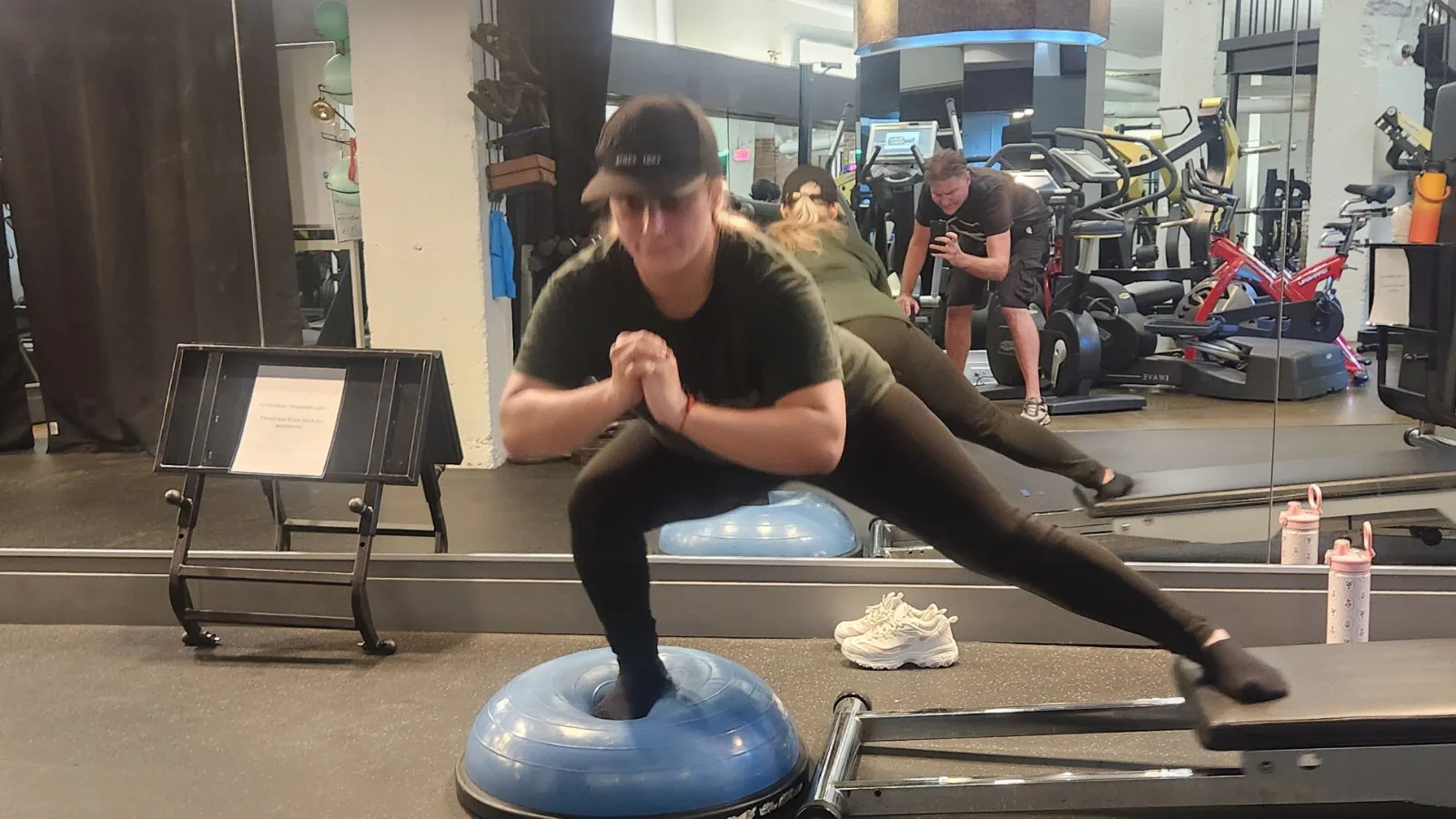
Gravity training is not the only tool. I mix it with classic strength movements that add a balance challenge:
Single Leg Deadlifts
- Improves balance
- Builds strength through the back of the legs and hips
- Switches on the deep core muscles
Rotational Lunges
- Improves coordination
- Strengthens hips and core together
- Builds athletic movement patterns
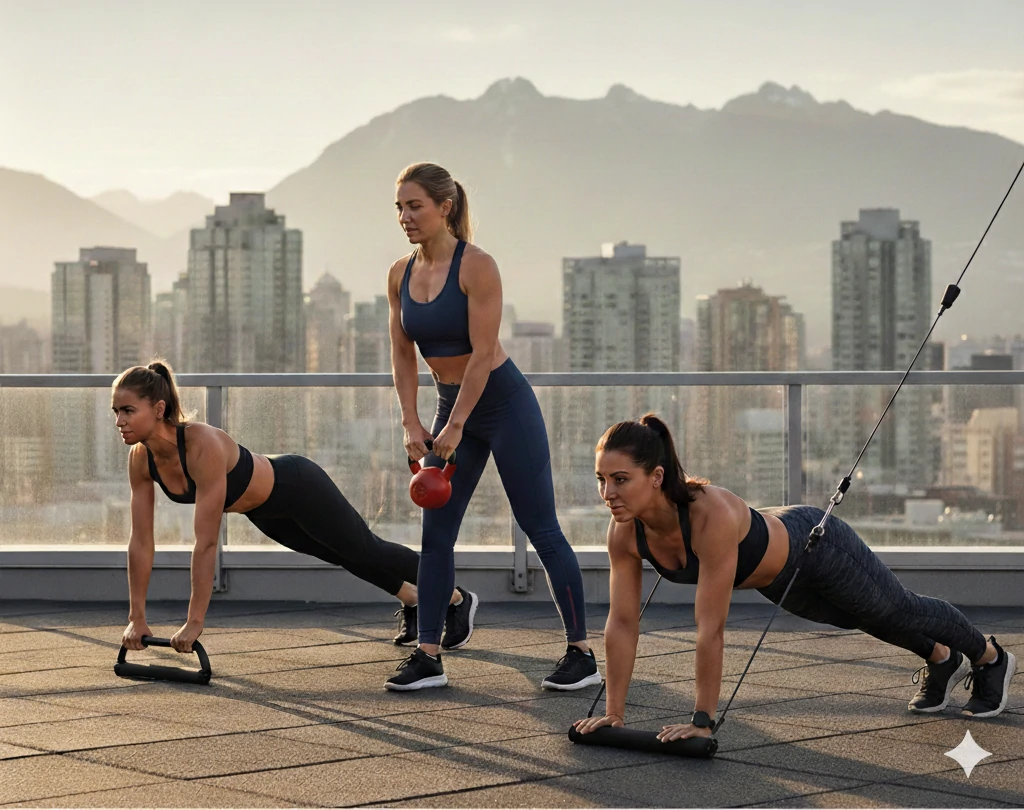
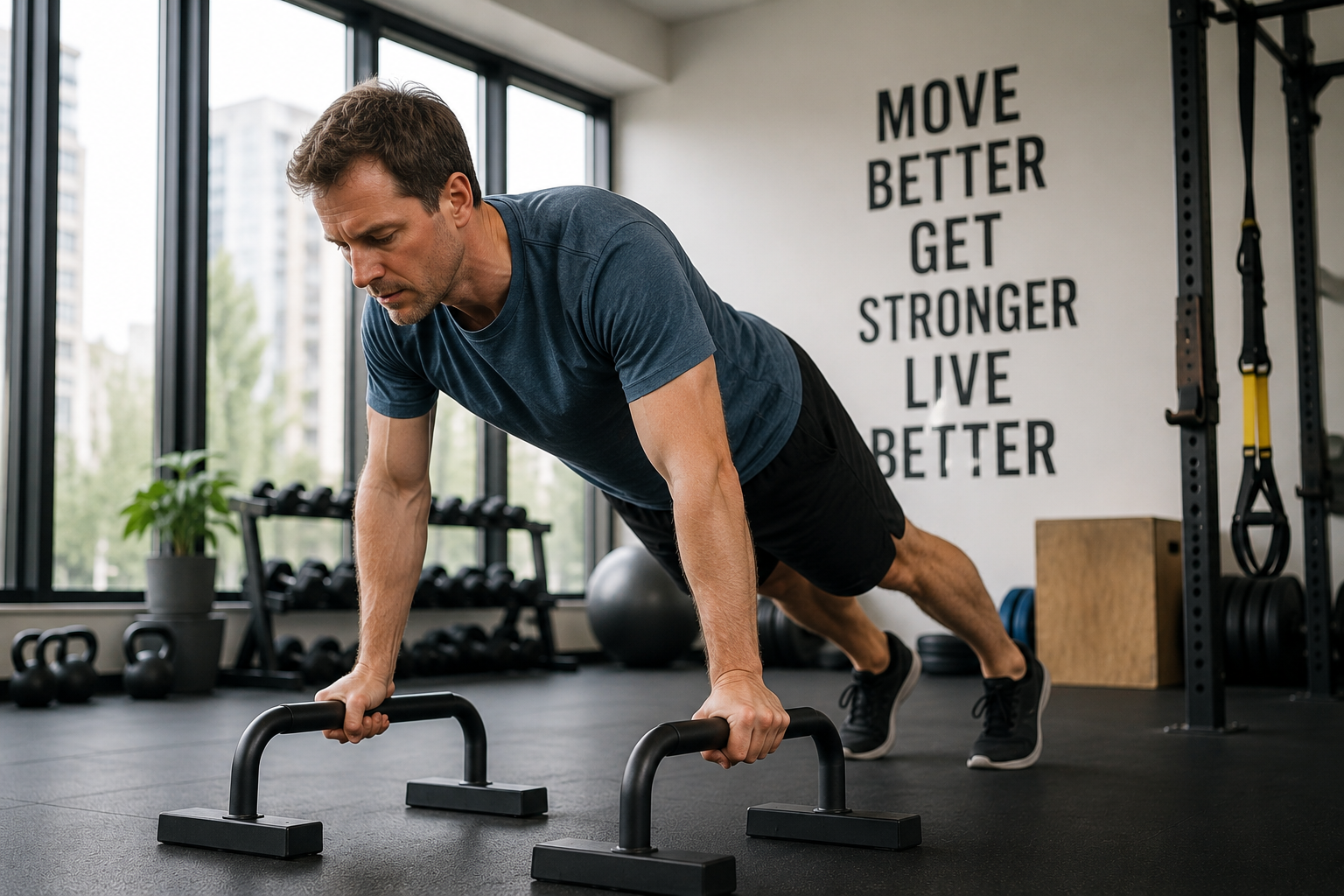
Stability Push Ups
- Strengthens the shoulders
- Improves body control
- Keeps the core working through the whole rep
Bodyweight Training, Done Properly
A lot of people looking into calisthenics want pull-ups, push-up variations, core strength and body control. The problem is that many bodyweight programs skip movement quality and go straight to grinding out reps.
At TSquared, bodyweight principles are part of the training, not the whole system. We focus on joint mobility, posture and movement mechanics first, then build strength on top of that foundation.
Two Client Stories
One client came in wanting what he called a "Pilates body": better posture, more definition, more flexibility and less stiffness. Six months later his mobility and core strength had improved, his shoulder discomfort had eased, and his mountain biking felt better. His biggest surprise? "I came for abs and accidentally learned how to move again."
Another client wanted to lose weight and tighten up what he called his "dad bod survival kit." After several months of strength work, balance training and gravity-based sessions, his posture, core strength and flexibility had all improved. His first comment wasn't about how he looked. It was: "I can bend down and tie my shoes without sounding like a bag of microwave popcorn."
Where to Start
Strong bodies are not built through random workouts. They come from movement quality, stability and strength that progresses over time. Most of the time the answer is not doing more exercises. It is doing smarter ones.
- 1-on-1 personal training if you want a program built entirely around you
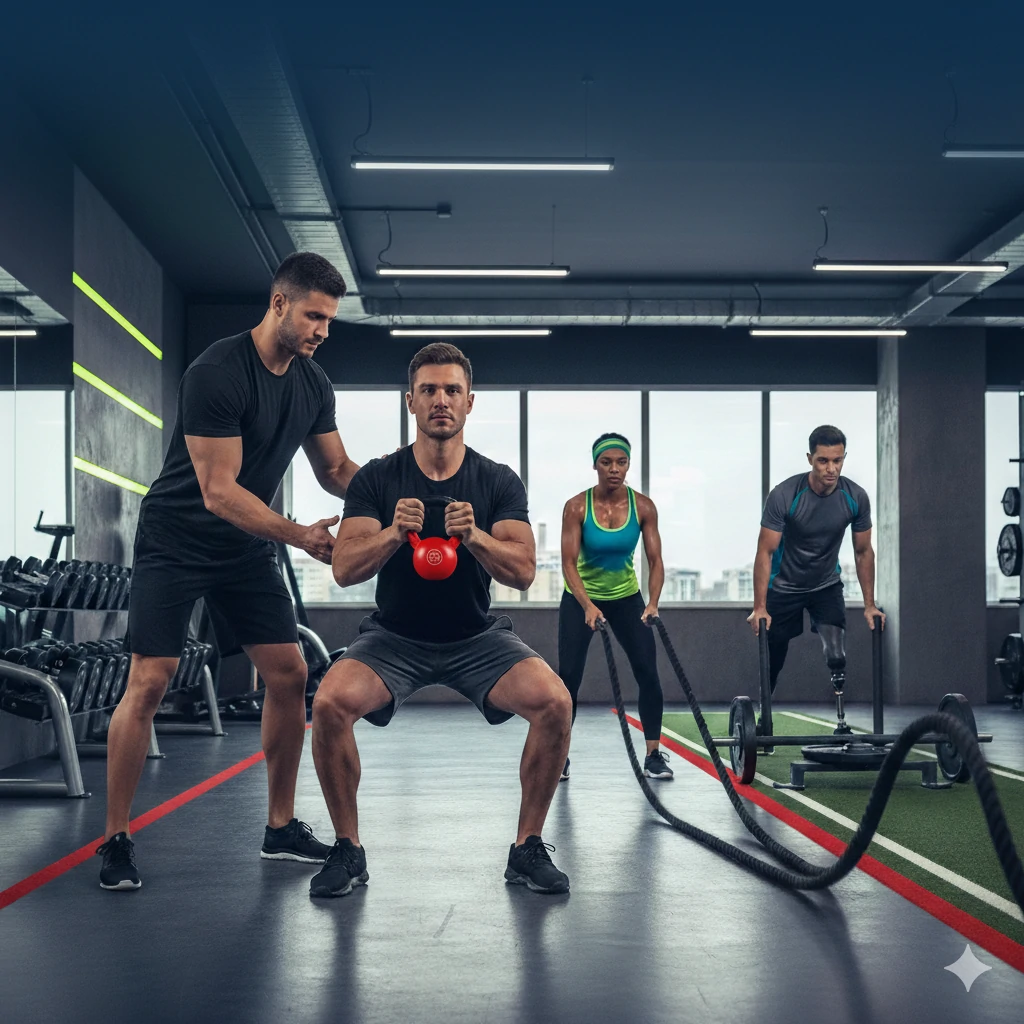
- Small group training in groups of 4 or fewer if you like training with others
- Strength and conditioning if you want athletic development
- Beginner personal training if you are just getting started
Your first session is free, so you can feel what Pilates on steroids is like before you commit.
Sometimes the goal is not just looking athletic. Sometimes the goal is moving like you actually own the body you live in.