
When most people think about exercise, they picture stronger muscles, more energy, or fitting into clothing that suddenly seemed to shrink in the dryer. What often gets overlooked is one of the most important muscles of all: your brain.
Research continues to suggest that regular exercise is associated with a lower risk of cognitive decline and dementia. Physical inactivity is considered one of the major modifiable lifestyle factors connected to dementia risk.
For people searching for personal training Vancouver, personal training Yaletown, or a small group class, improving long-term health may involve much more than physical appearance.
Your Brain Loves Movement
Exercise creates a series of positive changes throughout the body and brain:
- Increased blood flow to the brain
- Better oxygen delivery
- Reduced inflammation
- Improved sleep quality
- Better stress management
- Increased production of brain-supporting chemicals
Think of your brain like Downtown Vancouver traffic during rush hour.
If roads are blocked and neglected, things slow down. Exercise helps maintain the roads and keep traffic moving.
Research indicates that movement may help preserve cognitive function and support healthy aging.
Personal Training Vancouver and Brain Health Benefits
Many people start exercising because they want:
- Fat loss
- More energy
- Improved mobility
- Better posture
- Increased strength
The interesting part is that the benefits may go much further.
Working with a personal trainer in Vancouver can create structure and consistency while helping people build sustainable habits over the long term.
Learn more about individualized coaching and strength programming here:
Personal Training Services:
Personal Trainer Vancouver
Consistency often matters more than intensity.
Three manageable workouts each week for years often produce better results than one week of superhero workouts followed by six months of becoming emotionally attached to the couch.
Why Strength Training Matters for Brain Function
Many people immediately think of cardio when they hear "brain health."
Strength training also matters.
Research suggests maintaining muscle mass may help support:
- Better metabolic health
- Reduced risk factors associated with chronic disease
- Better balance
- Increased independence as we age
- Improved cognitive function
At Tsquared Personal Training, movement quality, posture, and strength development are emphasized before chasing heavier weights.
Movement quality builds the foundation first.
Heavy numbers can come later.
Why a Small Group Class May Help
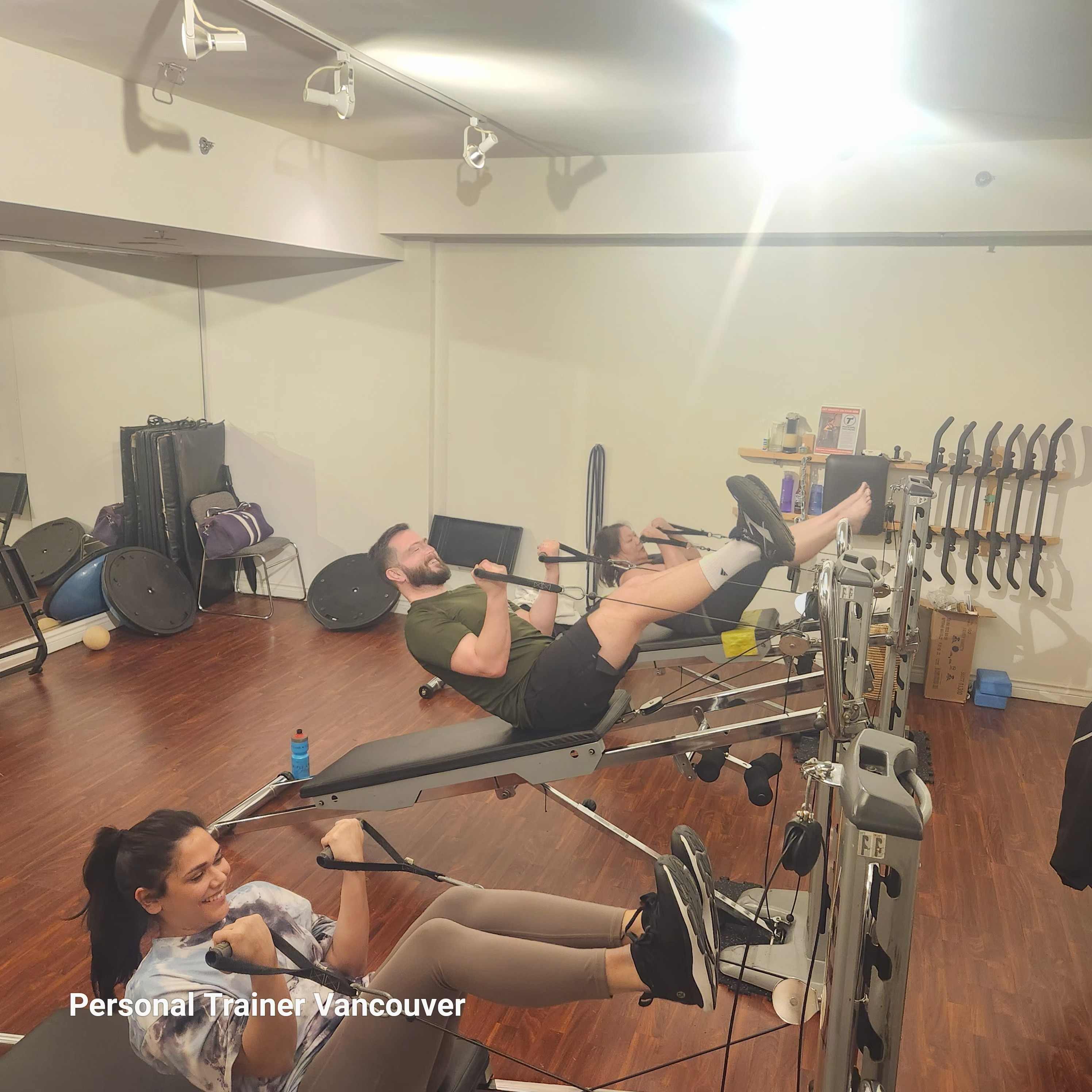
A small group class creates advantages that go beyond exercise alone.
Small group training may provide:
- Accountability
- Social interaction
- Motivation
- Reduced feelings of isolation
- Greater consistency
People often stick with exercise longer when others expect them to show up.
For anyone looking for structured support with coaching and community, learn more here:
Small Group Training:
Small Group Training Vancouver
A common reality:
"I wasn't planning on working out today..."
Then your training partners text:
"See you in 20 minutes."
Suddenly your couch loses the argument.
Personal Training Yaletown and Downtown Vancouver
Many busy professionals in Downtown Vancouver and Yaletown struggle with the same issue:
"I know I should exercise, but where do I fit it into my schedule?"
Finding programs close to work or home often makes consistency easier.
Whether someone is looking for personal training Yaletown, private coaching, or a small group class, creating a routine may help support:
- Physical strength
- Mobility
- Energy levels
- Mental health
- Long-term cognitive wellness
Client Success Story
One client initially came in wanting to improve posture and lose weight.
Within several months, they noticed benefits beyond physical changes:
- Better sleep
- More energy during workdays
- Better focus
- Improved mood
- Increased confidence
The mirror changed, but so did daily life.
Final Thoughts
Exercise cannot guarantee prevention of dementia because genetics, age, and other factors also contribute to risk.
However, evidence increasingly supports movement as one of the most important lifestyle habits we can control.
Exercise is not simply about stronger arms or burning calories.
It may also be an investment in protecting the system running everything else.
Looking for guidance in Downtown Vancouver?