
Most people who quit training don't quit because the workouts stop working. They quit because life gets busy, one missed week turns into three, and there's nobody waiting for them at the studio. Partner personal training in Vancouver fixes that by putting two things on your side at once: a friend, spouse or coworker who expects you to show up, and a coach who makes every session count.
This guide covers why training with a partner works, what the research says about consistency, how partner sessions run at TSquared in downtown Vancouver, and how to decide whether it's the right fit for the two of you.
Why Training With a Partner Works
The biggest benefit of partner training isn't the friendly competition. It's the appointment. When someone else is counting on you at 7:00 AM on Tuesday, you go, even on the mornings you'd rather stay in bed.
That matters more than most people think. A large 2023 study in the Proceedings of the National Academy of Sciences followed more than 30,000 gym members over four years and found that building a gym habit took about six months on average. The two strongest predictors of whether someone made it stick were how recently they had last trained and whether they kept training on the same days each week. Missing sessions made the habit less likely to form, and a consistent weekly schedule made it more likely.
A training partner helps with both. You book the same days each week, and you're far less likely to let a gap open up when someone else is expecting you.
Coaching Makes the Difference
Working out with a friend is a good start. Working out with a friend and a coach is better. Research suggests that supervision changes results: in a 2023 study in the Journal of Sports Sciences, trained adults following the same 8-week program gained more muscle and more squat strength when a coach supervised their sessions than when they trained on their own.
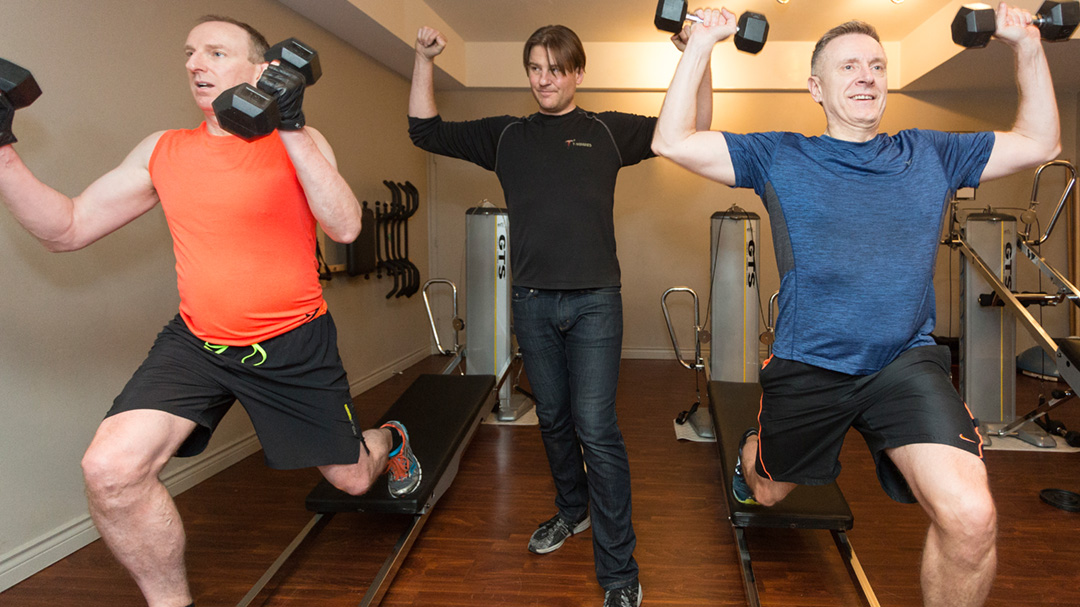
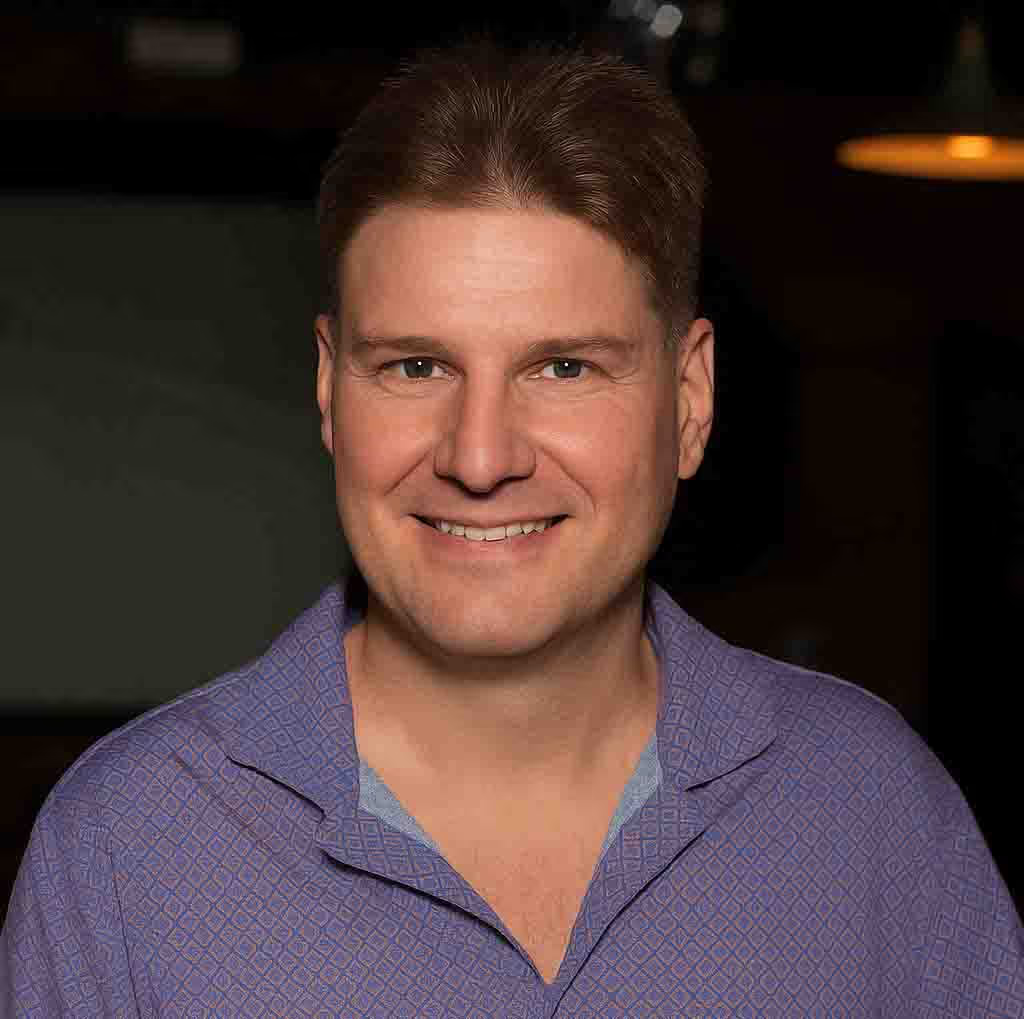
Partners who train alone often fall into the same routine every week, or one person pushes too hard while the other hangs back. In a coached partner session, Troy sets each person's resistance and exercise choices separately, so you can train side by side even if one of you is a beginner and the other has years of experience.
How Partner Training Works at TSquared
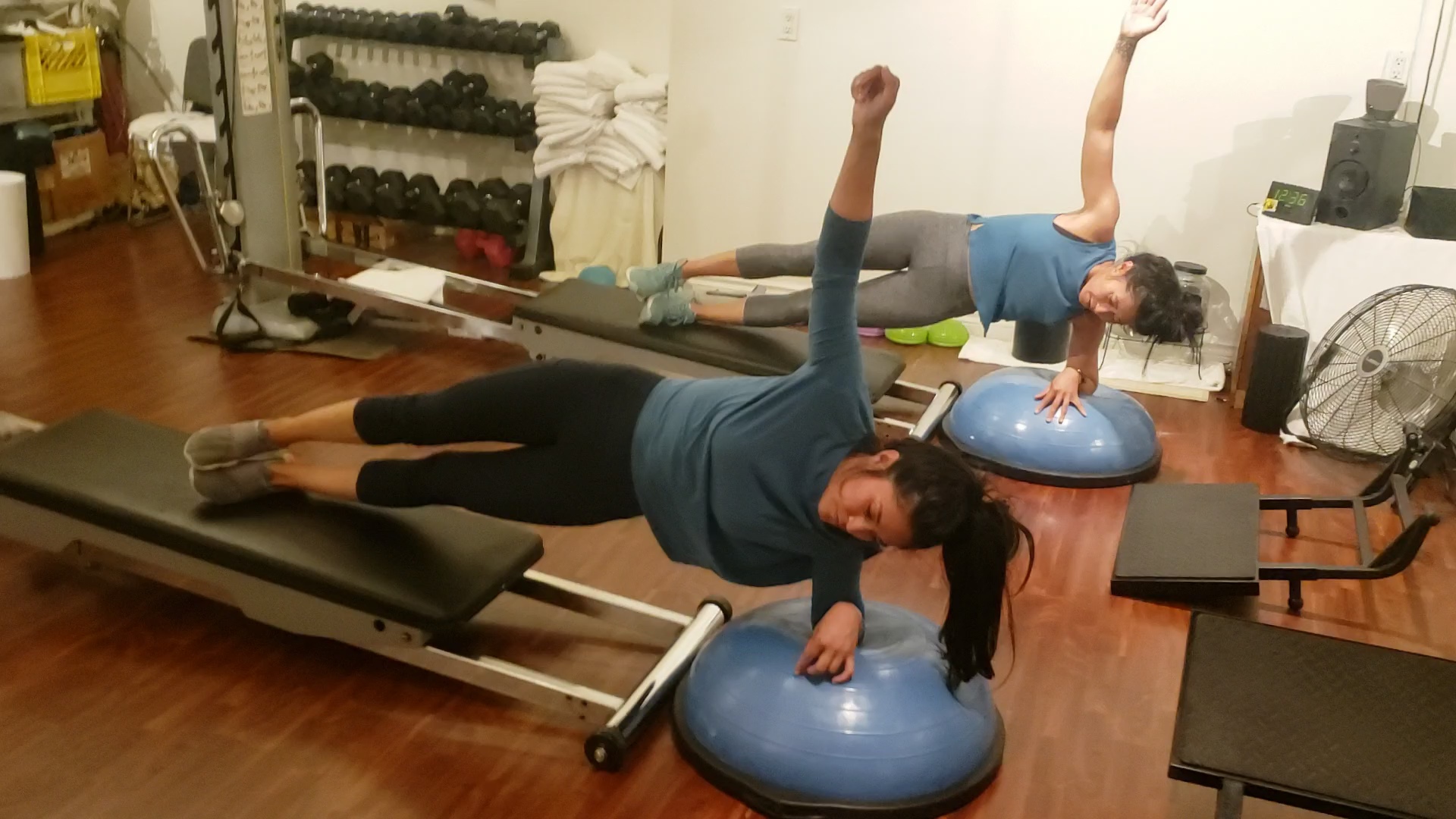
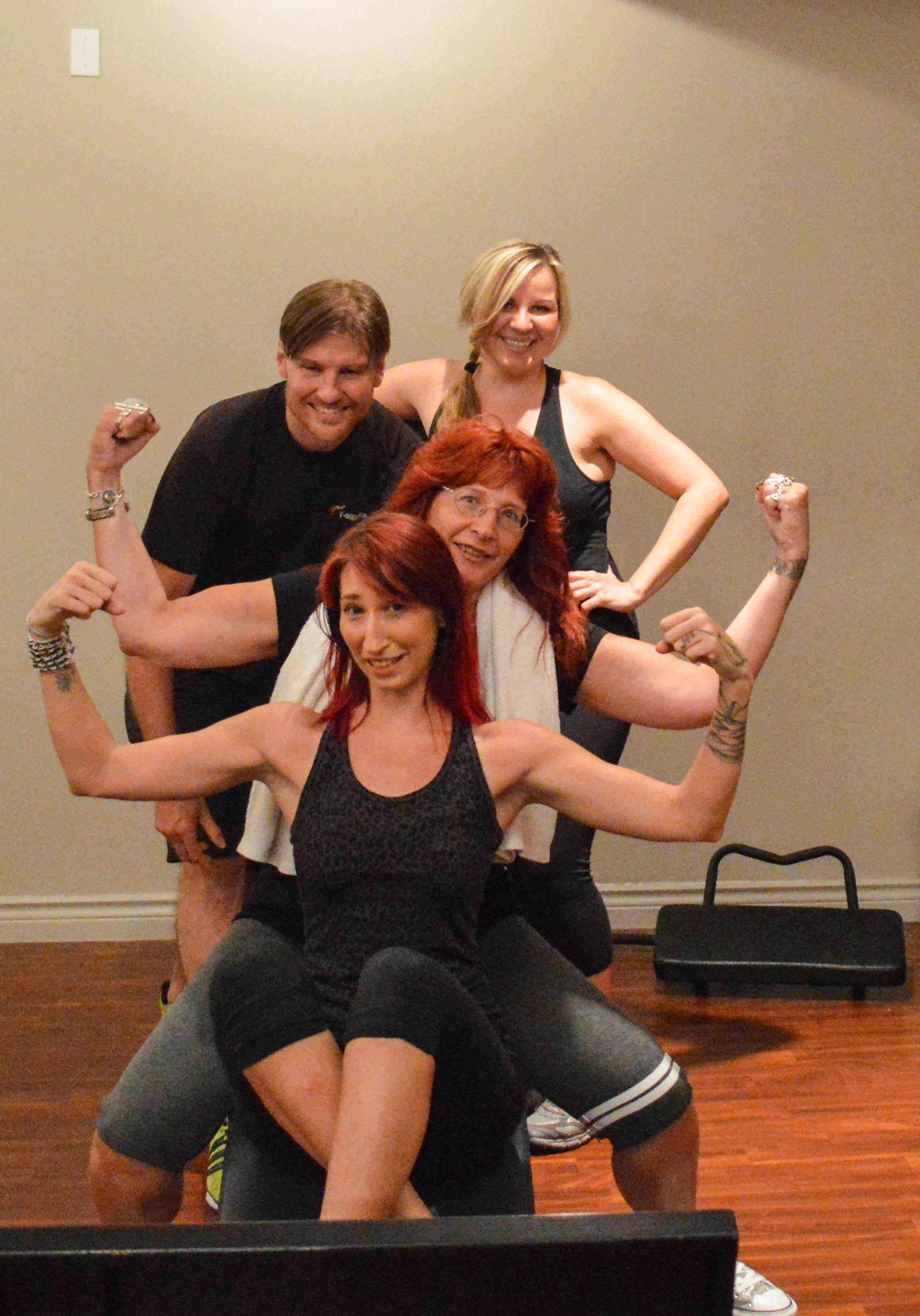
At TSquared, partners train together in our small group sessions, which are capped at 4 people. That means you and your partner get close, hands-on coaching, with at most two other people in the room.
- Session length: every session is a full 60 minutes, including warm-up, strength work and mobility.
- Equipment: most of the work is done on the Gravity Training System, which uses your own body weight on an adjustable incline. Each person's resistance is set individually, so different fitness levels can train at the same time.
- Coaching: Troy adjusts form, swaps exercises around injuries and progresses each person at their own pace.
- Location: the studio is at 128 W Pender St #102, inside The Sun Tower, steps from Stadium-Chinatown SkyTrain Station. There are private changing areas for men and women, so you can come straight from the office.
Who Partner Training Suits Best
Partner training works well for:
- Couples who want to spend time together and keep each other on track
- Friends or coworkers in the downtown core who want a standing workout before work, at lunch or after work
- Beginners who feel more comfortable starting with someone they know
- People returning to exercise after a long break who want accountability while they rebuild the habit
If one of you is managing an injury, that's not a barrier. Troy regularly modifies exercises within the same session, and our injury rehab programs can help if you need more focused work first.
Partner Training vs Private Training
Partner training and private training solve different problems:
- Choose partner or small group training if consistency and motivation are your biggest challenges, or if you want coached sessions at a lower cost. Small group sessions are $40 each on a 10-session package or $50 for a single session.
- Choose private 1-on-1 training if you need fully individual programming, are recovering from a complex injury, or prefer to train alone. Private sessions are $90 each on a 10-session package or $120 for a single session.
Packages are valid for 12 months, and many clients mix the two, starting with a few private sessions before moving into small group training with a partner. Our pricing guide has the full details.
Tips for Getting the Most Out of Partner Training
- Book the same days every week. Consistent days were one of the strongest habit predictors in the 2023 study, so pick two set days and protect them.
- Agree on a backup plan. If one partner has to cancel, the other still comes. The habit is yours, not just the pair's.
- Set individual goals. You're training together, but your goals can be different. Tell Troy what each of you wants so he can program for both.
- Give it time. Habits take months, not weeks. Commit to a full 10-session package before judging the results.
Frequently Asked Questions
Do we need to be at the same fitness level?
No. Each person's resistance and exercises are set individually, so a beginner and an experienced lifter can train in the same session.
Can we book our first session together?
Yes. Your first session is free, and you can book it without a credit card. Call or text Troy at (604) 250-9784 to set up a time for both of you.
How often should we train?
Two to three sessions a week works well for most people. Two set days a week is a realistic starting point that builds consistency without overloading busy schedules.
Start Training Together
The hardest part of any fitness plan is showing up. A partner makes that easier, and a coach makes the time count. Book your free first session and bring your training partner with you.
Sources
- Buyalskaya A, et al. What can machine learning teach us about habit formation? Evidence from exercise and hygiene. Proceedings of the National Academy of Sciences, 2023.
- Study comparing coach-supervised and unsupervised resistance training in trained adults. Journal of Sports Sciences, 2023.