A diagnosis of osteoporosis can make exercise feel risky, especially if you have been told to avoid falls, protect your spine, or slow down. Avoiding movement entirely is rarely the answer. The right exercises can build the strength, balance, posture and confidence you need for everyday life, without asking your body to absorb unnecessary impact.
There is no single best exercise. The right choice depends on your bone density, fracture history, current fitness, joint health and movement control. A plan that suits someone with mild bone loss and no fractures may not suit someone with spinal compression fractures, severe osteoporosis or a recent fall.
What the Canadian guideline recommends
Osteoporosis Canada's 2023 clinical practice guideline makes exercise a core part of care for everyone with osteoporosis. It recommends balance and functional training at least twice a week to reduce the risk of falls, and suggests progressive resistance training at least twice a week, including exercises for the back extensor and abdominal muscles. It also encourages general physical activity in line with the Canadian 24-Hour Movement Guidelines, in addition to (not instead of) that strength and balance work.
Exercise does not replace medical care, nutrition or prescribed medication. It is a practical part of protecting your independence.
Why strength and balance matter
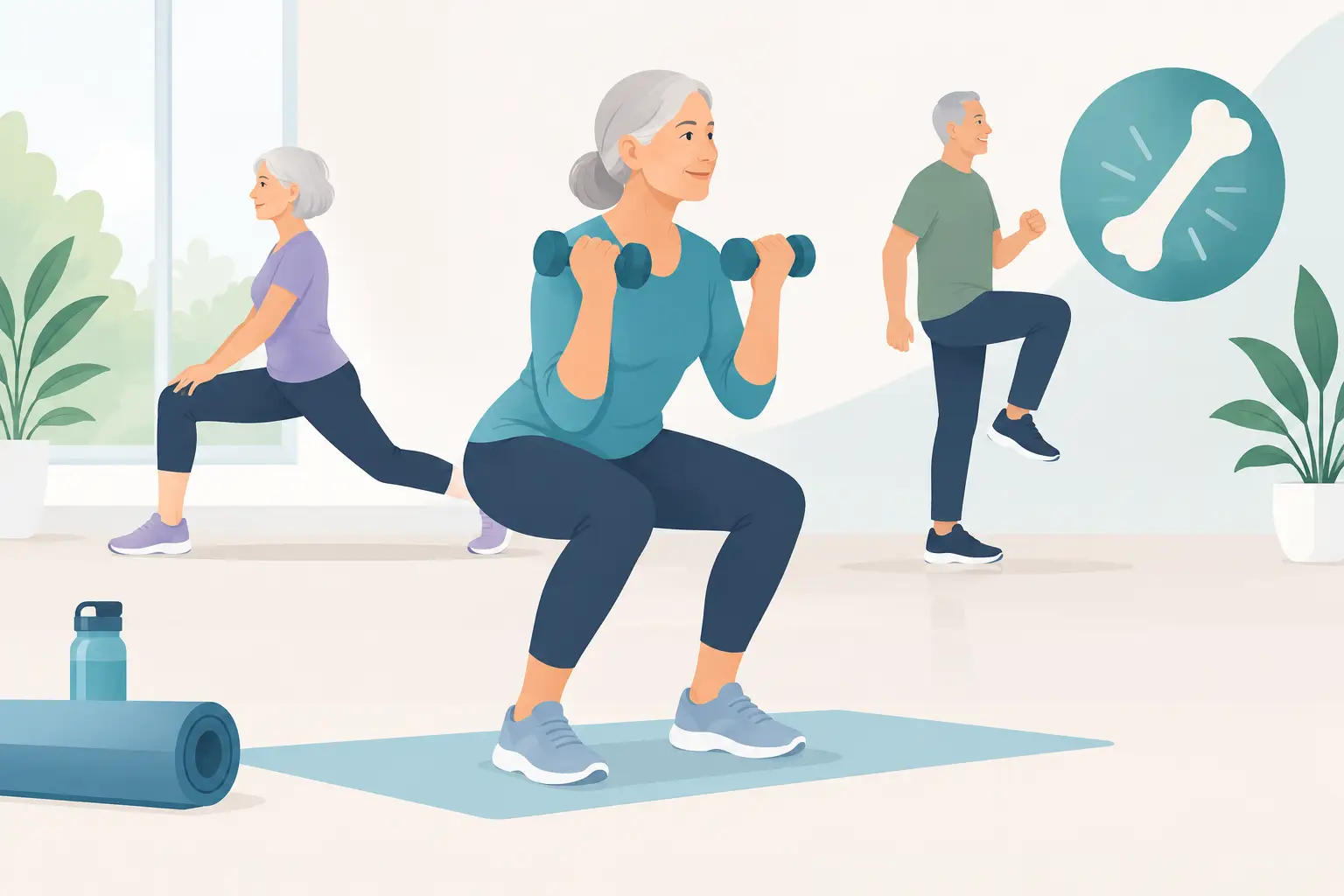
Bones respond to appropriate load. Muscles pulling against bone during strength training, and supporting your own body weight through your legs, are signals that help maintain bone strength in the hips and spine.
Just as important, managing osteoporosis means reducing the chance of a fall. Stronger legs make it easier to rise from a chair, climb stairs and recover when you lose your footing. Better balance and trunk strength help you move steadily on curbs, wet floors and crowded sidewalks.
Start with the right safety screen
Before starting a new plan, speak with your physician or another qualified health professional, particularly if you have had a fragility fracture, have severe osteoporosis, have unexplained back pain, or have recently changed medication. Ask whether you have restrictions for your spine, hips or other joints.
A good coach should assess more than how much you can lift. They should watch how you stand, hinge, squat, step, reach, breathe and control your trunk. Good programming starts with movement quality and progresses only when your body shows it is ready.
The core categories of safe exercise
Lower-body strength
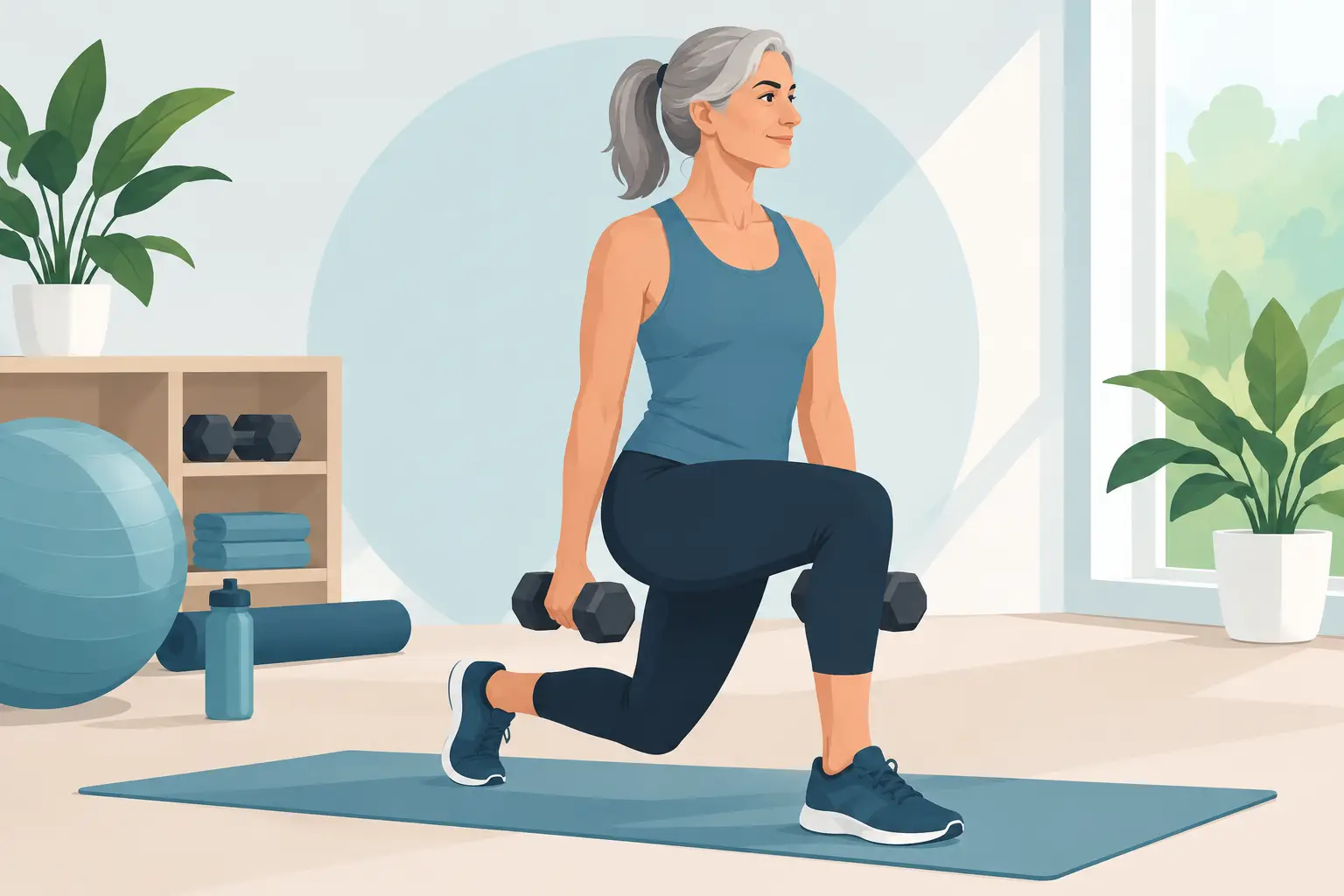
Sit-to-stands from a stable chair are an excellent start because they train the exact pattern you use to stand up from a couch or dining chair. Chair height can be adjusted to make the movement easier or harder. Supported squats, low step-ups and controlled split-stance exercises can follow when alignment is good. Holding a rail or countertop is not a failure; it lets you train your legs without turning every repetition into a balance test.
Upper-body pulling and pushing
Rows, chest presses, wall push-ups and supported overhead presses (if your shoulders and spine allow) make carrying groceries and opening heavy doors easier. Bands, cables, machines or bodyweight systems all work. Setup and control matter more than equipment: no straining, breath-holding, or compensating through your neck and lower back.
Back extensor and posture work
Training the upper-back muscles supports a more upright posture and makes reaching, carrying and walking easier, which is why the guideline specifically mentions back extensor exercises. Examples include standing or seated rows, gentle band pull-aparts and supported back extension variations. The focus is lengthening through the crown of your head and drawing the shoulder blades back, not arching the lower back.
Balance training
Balance improves with regular practice. Start close to a stable support: a narrower stance, then a staggered stance, then brief single-leg holds with a fingertip on the counter. Heel-to-toe walking along a clear hallway and stepping over low objects are useful next steps. If you feel unsteady, the exercise is too hard for now.
Weight-bearing activity
Brisk walking, stair climbing and low-impact dance are accessible weight-bearing options for people who can do them safely. Higher-impact activity such as jogging or jumping may suit some people with low bone density, but it is not automatically safe for everyone with osteoporosis. Fracture history, joint pain, poor balance or pelvic floor symptoms can shift the choice toward lower-impact work.
Movements that often need modification
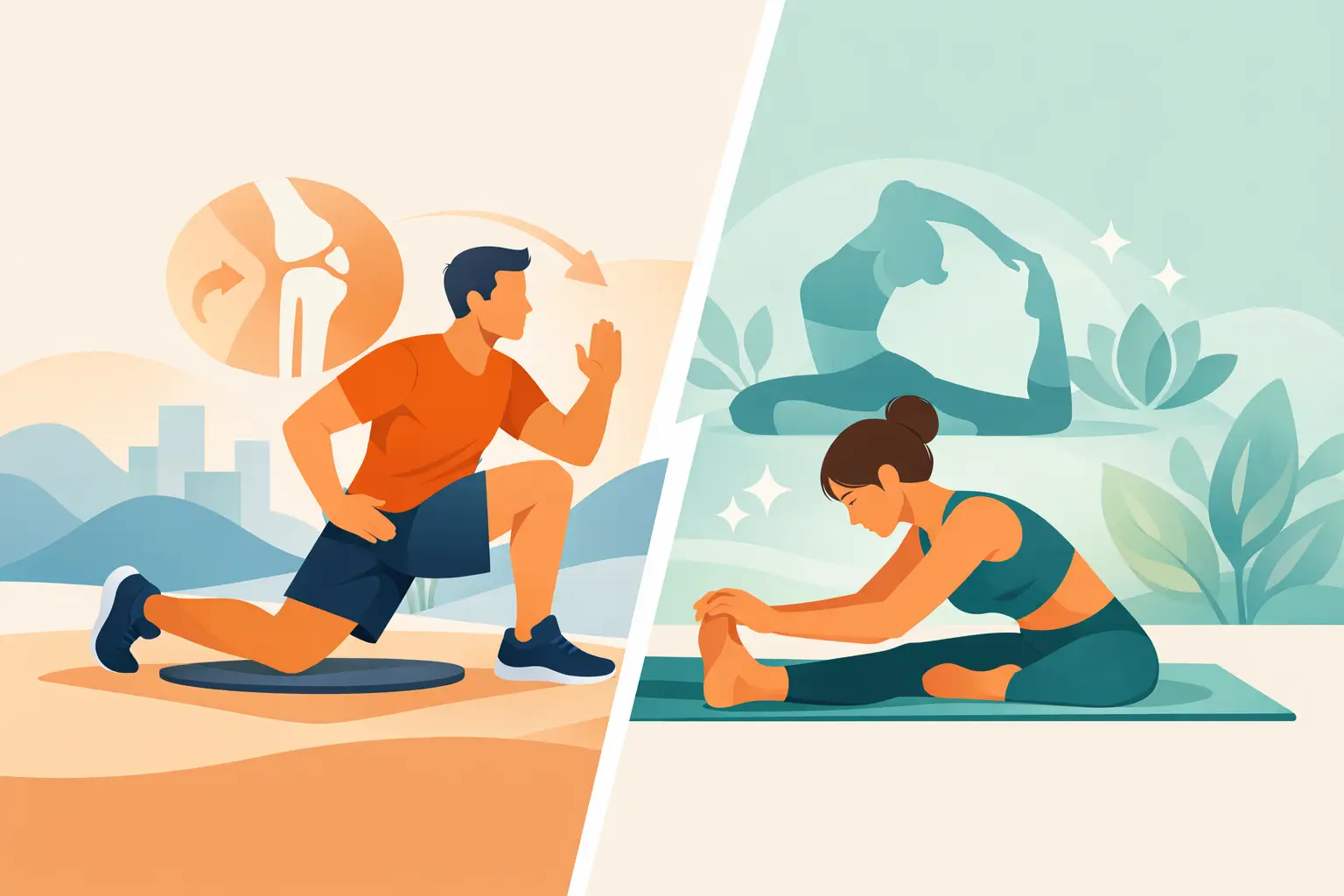
"Avoid bending" is too broad to be useful, because your spine needs to move in daily life. The concern is repeated, loaded or end-range rounding of the spine, especially combined with twisting. Traditional sit-ups, toe touches, deep rounded-back stretches, and lifting from a slumped position can place excessive stress on fragile vertebrae. Fast twisting drills and high-impact classes can also be poor choices.
Your core still matters. Safer options emphasize bracing, breathing, upright carries, supported anti-rotation work, and learning to hinge from the hips with a neutral spine. When picking something up, bend through your knees and hips instead of rounding forward from the waist.
How hard should you train?
A common mistake is assuming osteoporosis exercise must be very light. Muscles and bones need enough challenge to adapt; that is why the guideline uses the word progressive. Choose a resistance you can control with good form while still feeling real work, and finish each set with a few repetitions in reserve. Progress can mean a little more resistance, a larger range, less hand support or better control.
Exhale through the hardest part of each movement, rest when technique fades, and treat sharp pain, dizziness or new back pain as a reason to stop and get advice.
A safer way to progress
Consistency beats intensity. Two or three well-coached strength sessions a week, regular walking and brief balance practice can create meaningful change over time. Jumping from no exercise straight into a demanding class or heavy lifting is where many avoidable setbacks happen.
At TSquared, the Gravity Training System suits this kind of progression: the adjustable incline scales bodyweight resistance without the instability of a crowded gym floor. Women can train in our small strength classes for women 40+ (maximum 4 people), and older adults can work one-on-one in our personal training for seniors. Your first session is free, and no credit card is needed.