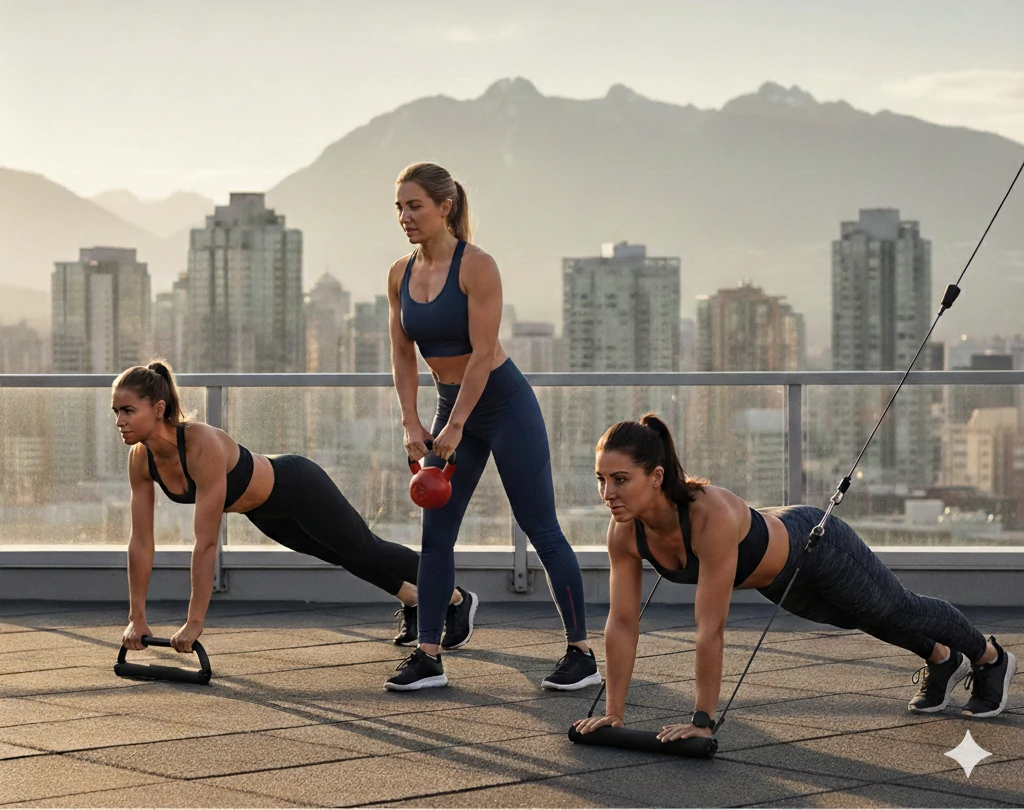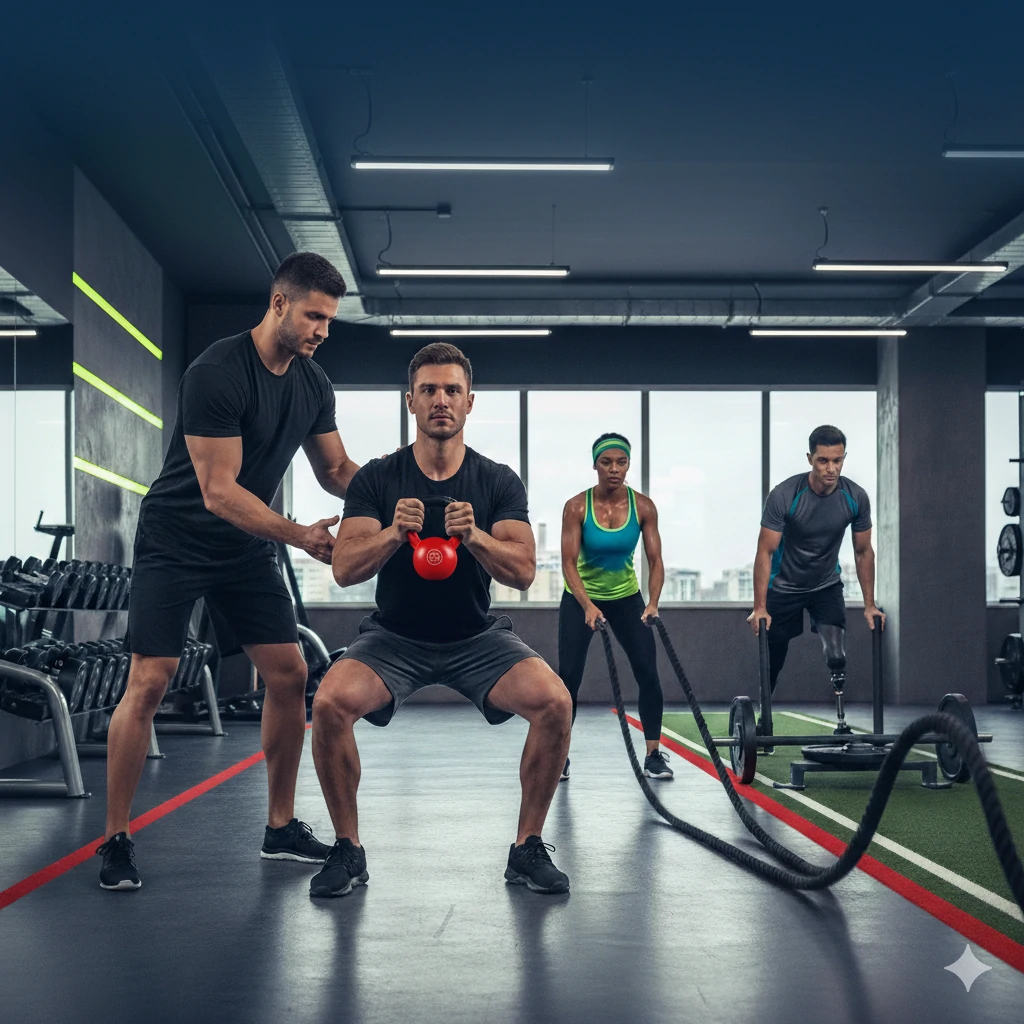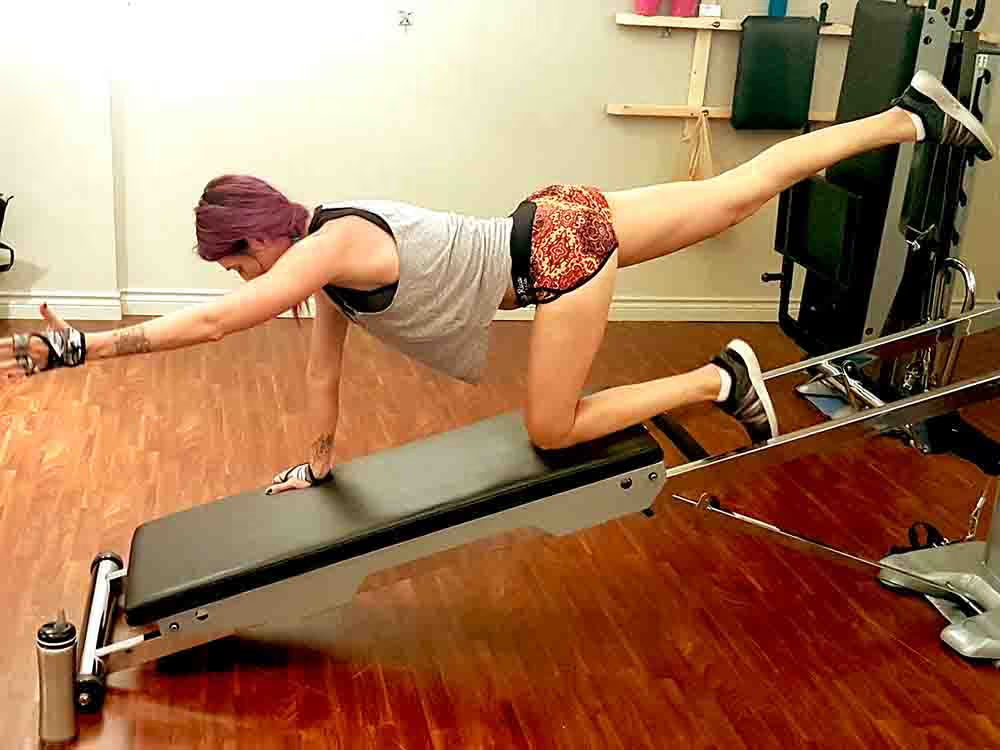

Gravity training is the strength system at the center of everything we do at Tsquared Personal Training. It isn't a class, a gimmick, or a rehab-only tool, it's a scalable, joint-friendly way to build real strength using your own bodyweight and gravity itself as resistance. This guide explains what gravity training is, how it compares to weights, machines, and spring-based systems like the Reformer or Megaformer, who it's best for, and what a session actually looks like.
What Is Gravity Training?
Gravity training uses your own bodyweight as resistance, adjusted through incline and body position rather than stacked plates or springs. As the angle increases, the load increases. As your strength improves, the challenge increases with it.
Because gravity never changes, resistance stays constant throughout the entire movement. That consistency is what makes gravity training different: your nervous system, muscles, and joints all adapt together, against a predictable load, instead of fighting the sudden spikes and inconsistencies you get from free weights or spring tension.
Gravity Training vs Traditional Gym Equipment
Most gym machines isolate muscles along a fixed path. Free weights are effective, but they can be intimidating, or poorly tolerated if you're carrying an old injury or joint concern. Gravity training sits in the middle:
- More functional than a machine
- More accessible than free weights
- Less joint compression than heavy barbell training
That combination is why it works so well for clients who want real strength without the wear and tear.
Gravity Training vs Reformer and Megaformer
Spring-based systems like the Reformer and Megaformer rely on variable tension, resistance changes throughout the movement depending on spring length and position. That creates a fast burn, but it makes it harder to know if you're actually getting stronger over time.
Gravity training relies on constant load instead: resistance stays consistent, strength gains are easier to track session to session, and the movement patterns transfer directly to daily life. For the full breakdown, read our dedicated comparison: Total Gym Gravity Training System vs Reformer and Megaformer.
Why It's Joint-Friendly (and Why That Still Means Real Results)
Joint-friendly doesn't mean easy, it means intelligently loaded. Gravity training reduces joint stress by eliminating sudden resistance changes, allowing natural movement arcs, and letting load scale without ego lifting. Clients train harder with less fear of setback, which is what actually drives consistency and long-term results.
Why It Works Especially Well Over 40
After 40, strength training stops being optional, muscle mass, bone density, and balance all decline without resistance work. Gravity training is particularly well suited to this because the resistance is scalable, the movements are controlled and stable, and progression is simple enough to build real confidence. Read more about how we structure this for our Personal Training for Adults 40+ program.
Who Gravity Training Is For
- Adults over 40 looking to build or maintain strength safely
- Beginners who feel intimidated by a traditional gym floor
- Clients recovering from injury or managing joint sensitivity
- Cyclists, runners, and weekend athletes who need functional strength
- Busy professionals who want an efficient, focused workout
The system adapts to your body, not the other way around.
Sample Gravity Training Exercises
A typical session starts with the largest muscle groups, hamstrings, quads, calves, and glutes, before moving into upper body and core work. A few examples:
Squats and squat jumps
Feet shoulder-width apart on the glide board, squatting at a controlled pace before progressing to single-leg squats. Squat jumps add a plyometric element that builds lower-body power and endurance.
Bridge with ball squeeze
Lying on your back with a ball squeezed between your legs, raising your hips and lower back upward. This targets the glutes, hamstrings, and core stabilizers.
Bicep curl and tricep extension
The glide board's angle puts your arms in an ideal position to isolate and tone the biceps and triceps without needing free weights.
Rear deltoid fly and alternating row
Kneeling on the glide board facing the tower, these movements build the muscles across your upper back and shoulders, an area most home and gym routines under-train.
Why Full-Body Gravity Training Works
Full-body strength training is one of the most time-efficient ways to build muscle and improve overall fitness, and gravity training amplifies that. Because every movement uses your bodyweight against an incline, you're engaging your core and stabilizing muscles on top of whatever you're specifically targeting, so a single session does more than an equivalent machine-based routine.
Building lean muscle also raises your resting metabolism, since muscle burns more calories at rest than fat does. And because gravity training scales so cleanly by adjusting the incline, it works as well for someone brand new to strength training as it does for an experienced athlete looking for a joint-friendly way to keep progressing.
How Gravity Training Is Used at Tsquared Personal Training
At Tsquared, gravity training is coached intentionally, not run on autopilot. We combine gravity-based resistance with free weights when appropriate, multi-plane movement patterns, and posture, balance, and stability work. Sessions are customized and progressed based on how you move, not just how much weight is on the board.
FAQs
What is gravity training?
A strength training method that uses your own bodyweight, adjusted through incline and body position, as resistance instead of plates or springs.
Is gravity training beginner-friendly?
Yes. Because resistance scales with the incline rather than jumping between fixed weight plates, it's easy to start light and progress gradually.
How is it different from a Reformer or Megaformer class?
Those systems use spring tension, which varies through the movement. Gravity training uses constant load, which most clients find easier to track progress against. See our full comparison here.
Is it a good fit if I'm over 40 or managing an old injury?
Yes, this is one of the main reasons we built our program around it. Read more on our Adults 40+ program and our Injury Rehab page.
Where to Go Next
This page covers the fundamentals. For more specific angles, see:
- Gravity Training for Fat Loss
- Gravity Training for Core Strength
- Beginner Core Workouts
- Gravity Training for Hockey Players
- Gravity Training for Injury Recovery
- Gravity Training for Busy Professionals
- Gravity Training in Yaletown
Ready to try it for yourself? Book your free session and feel the difference constant load makes.